
Why are Tube workers on strike? This is what the TfL vs RMT dispute is about
The London Underground will be brought to a standstill this week as workers walk out over pay and working conditions.
If you’re travelling across London today, you’re probably wondering why the Underground isn’t operating as usual - meaning you have to find other ways to get to work.
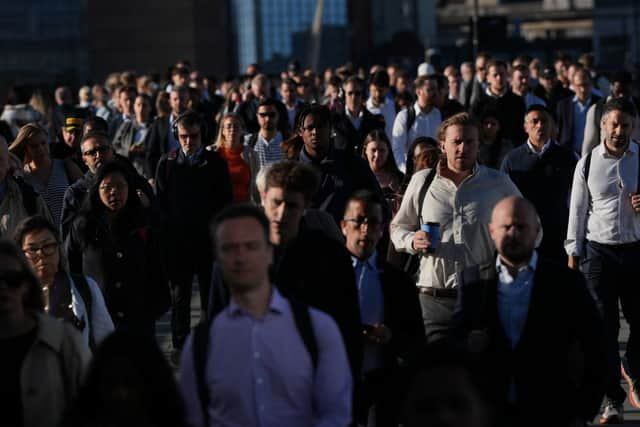

That’s a great question, commuter! Why are tube workers striking? Well, to put it simply, they are striking over pay and working conditions.
Members of the RMT union planned a mass walkout to promote discussions about a pay rise and a shorter working week.
With the impact of the strike varying each day, customers are advised to visit tfl.gov.uk/strikes for the latest information.
Here’s the lowdown about why tube workers are striking, in a bit more detail:
Why are tube drivers (and other staff) on strike?
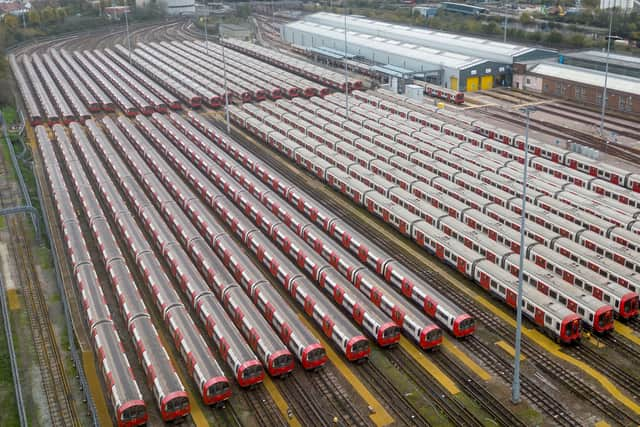
This dispute centres around the RMT’s demands for a shorter working week. London Underground staff currently work 35-hour weeks, and the RMT has made clear it will only accept a deal that sees a reduction in working hours.
However, TfL says: “Any reduction in working hours is impractical and absolutely unaffordable, with costs that could run into the hundreds of millions of pounds.”
TfL has also offered to engage with the RMT and its other unions about managing fatigue across London Underground, with several options discussed.
However, the RMT has made it clear that it believes a reduction in working time is the only way to combat this issue, including as little as a 30-minute reduction in the working week.
Aside from the financial concerns, TfL says it does not believe that reducing the working day by six minutes will make an appreciable difference to fatigue and urges the RMT to work with it on things that could make a tangible difference to staff.
TfL has made an offer of a 3.4 per cent pay increase for all London Underground staff, in line with February RPI.
This follows pay rises in previous years that have seen pay increase by around 25 per cent since 2020. The RMT launched its ballot before TfL had made any offer and achieved a 57.5 per cent mandate for strike action.
TfL has urged the union to put the full offer to its members, so that they can have their say.