
How the Great Stink of 1858 changed London forever
Discover the story behind London's Great Stink of 1858 and how it paved the way for the city's modern sewer system.
Here at London World, we love learning about the city’s quirky history.
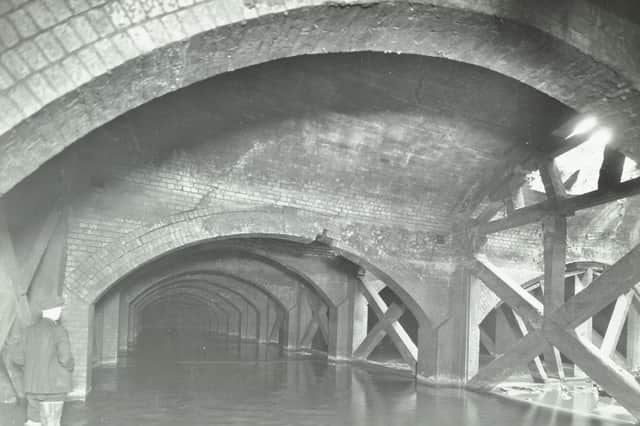

From the famous Frost Fairs that took place on the River Thames to Henry VIII’s long-lost party palace.
One piece of quirky London history that we think deserves to be told, is the phenomenon of the Great Stink.
During the summer of 1858, the River Thames, which served as the city’s main sewage dump, emitted such a powerful and unbearable stench that it practically brought the city to a halt.
The smell was so overwhelming that windows in the Houses of Parliament were covered with curtains soaked in chloride of lime to mask the stench, and the government even considered relocating.
The Great Stink of 1858 finally prompted the creation of London’s modern sewer system, designed by Joseph Bazalgette.
His innovative solution dramatically improved public health and the city’s sanitation, shaping the modern metropolis.
But before this engineering marvel, London’s combination of open sewers and heat made for one of the most foul-smelling episodes in the city’s history.