
Henry VIII's forgotten law that made magic a crime in London
We’re looking back at when King Henry VIII declared war on witches in England.
Ah, Henry VIII, he’s the British monarch who never stops giving, really, isn’t he? Just think, without old Hennerz, we wouldn’t have the Church of England, Hampton Court Palace or Six the Musical.


Henry certainly left behind a pretty outstanding legacy (for better and worse), and today, we’re exploring one of his lesser-known battles - his war against witchcraft.
Yep, Henry V3 was VERY against witches, magic and sorcery, so much so that it became one of the gravest crimes imaginable in England. Hard to imagine in a world where people literally travel the globe to come to Platform 9 3/4!
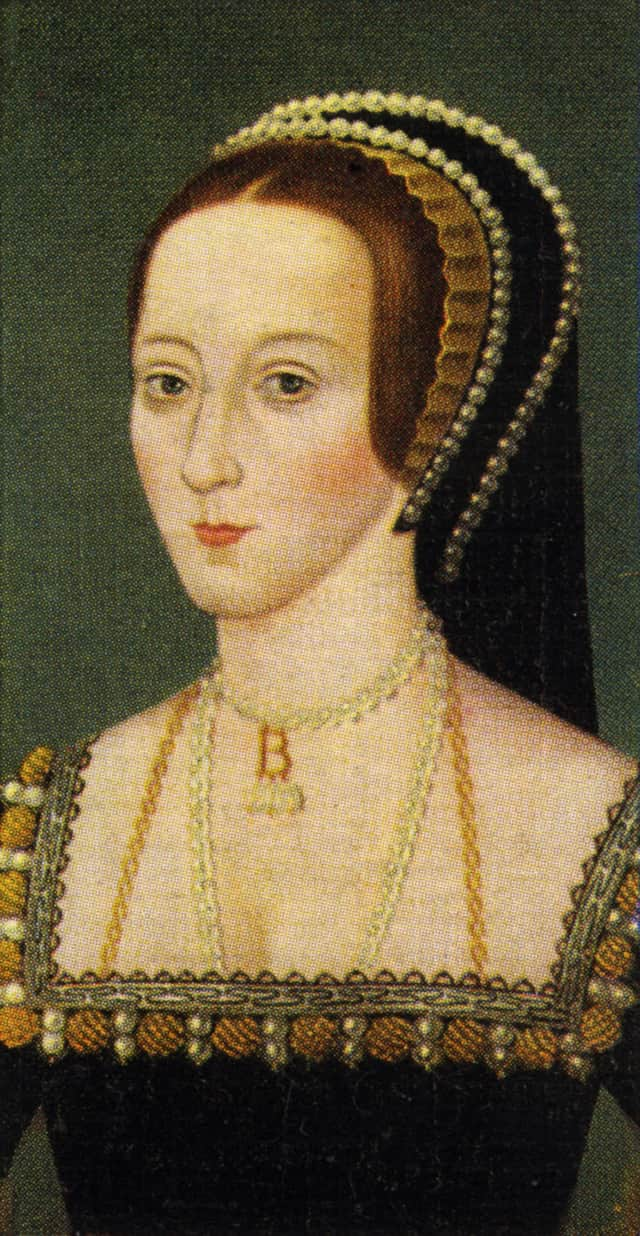
Anne Boleyn, Henry’s second wife, was famously accused of witchcraft during her trial in 1536. Her enemies whispered that she had bewitched the King, pointing to her “extra finger” and dark eyes as signs of sorcery, claims designed more to destroy her reputation than to prove any real magical practice.
And then in 1542, Henry introduced the first-ever English law against witchcraft: the Witchcraft Act. Officially titled "An Act Against Conjurations, Witchcrafts, Sorcery, and Enchantments," it declared that any kind of magical practice, from casting curses to brewing protective potions, was punishable by death.
Until then, witchcraft was seen more as a spiritual failing, something handled by the Church. Henry changed that. With the stroke of a quill, magic became a matter for the state and its courts, no longer just the clergy.
The Tudor court was a tense and suspicious place. Henry had broken from the Catholic Church, declared himself head of the Church of England, and was navigating rebellions and rumours.
In this atmosphere of fear and paranoia, witchcraft was seen not just as a dangerous superstition but as a potential weapon against the Crown. After all, charms and spells weren’t only for love or luck; it was believed they could be used to predict (or hasten) a king’s death.
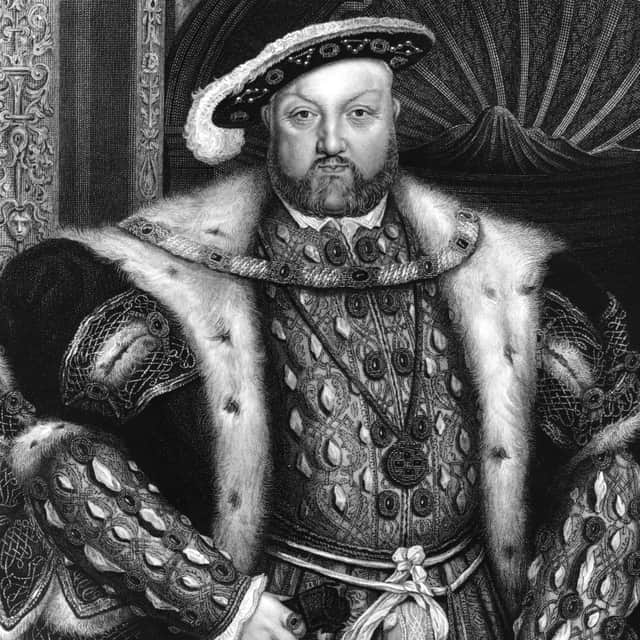
Despite its severity, the Act was short-lived. Henry died in 1547, and his son Edward VI quickly repealed the law. In fact, there are very few records of anyone being executed under Henry’s Act. It seems more a reflection of his iron-fisted paranoia than a genuine witch-hunting frenzy.
While the 1542 Act may not have led to mass trials in the capital, it set an important precedent. Later monarchs, including Elizabeth I and James I, reintroduced and toughened witchcraft laws, turning accusations of sorcery into a regular feature of London’s courtrooms.
Even so, the Witchcraft Act of 1542 remains a fascinating Tudor footnote, as the moment when London officially declared war on witches (however briefly).
So next time you wander past the Old Bailey or Smithfield Market (both sites tied to London’s darker history of executions), spare a thought for the witches who might have walked the same streets under Henry’s suspicious eye.