
The British Museum’s new samurai exhibition has sparked a global debate
The British Museum’s latest exhibition has sparked an international debate about the role of women samurai history.
A British-Japanese historian has spoken out following widespread debate sparked by a new British Museum exhibition that explores over 1,000 years of samurai history.

Cultural commentator and historical author Sumiko Nakano says global headlines suggesting “half of Japan’s samurai were women”, oversimplify a complex social social structure.
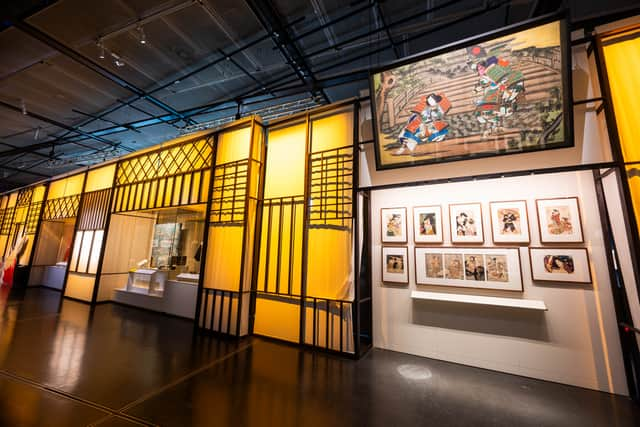
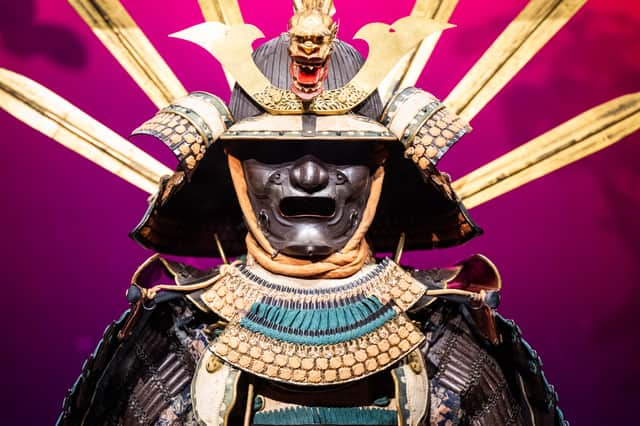
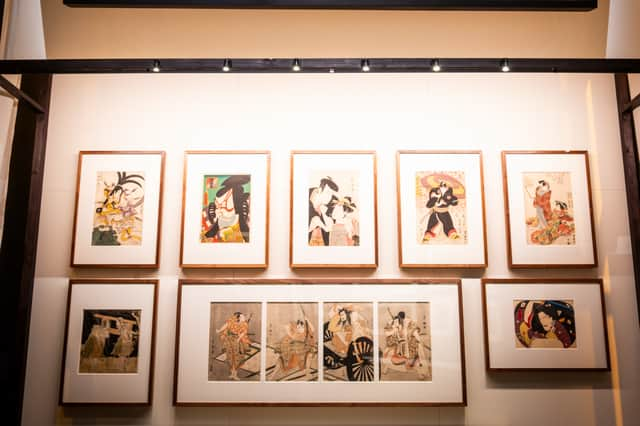
The British Museum exhibition, which opened to the public this month, traces the evolution of samurai society, including how the warrior class developed into a hereditary elite during Japan’s Edo period (1603-1868).
While the exhibition draws on extensive academic research, Nakano says some media interpretations have blurred the distinction between samurai as a social class and samurai as formally recognised military and administrative retainers.
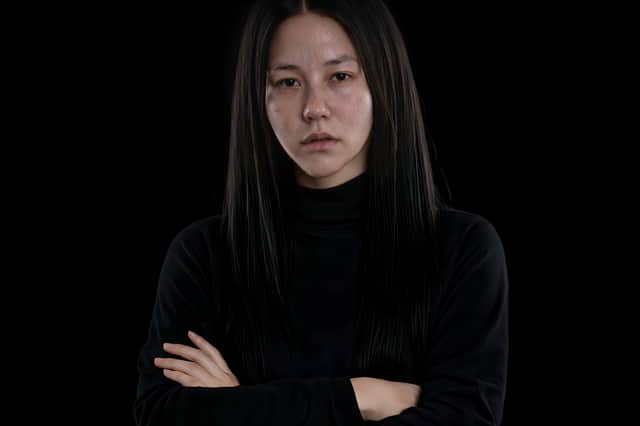
Nakano said: “The exhibition highlights the complexity of samurai society and the many roles that existed within it. Women played essential and influential roles within samurai households and elite class structures. However, historical documentation shows that formal samurai service roles were defined by legal, military, and administrative duties that were predominantly carried out by male retainers.”
During the Edo period, samurai life shifted away from constant warfare and towards governance, bureaucracy, and cultural leadership. Within elite households, women were responsible for managing estates, overseeing finances, educating children, maintaining clan continuity, and preserving political alliances.
Historical records also show that some women were trained in martial disciplines, particularly for defensive purposes. In rare and exceptional circumstances, such as castle sieges or periods of political instability, women did take part in combat.
Nakano notes, however, that these moments were situational rather than evidence of formal inclusion within samurai military ranks.
She said: “These women played a vital role in sustaining the social and political stability of samurai households. Their influence extended across economic, cultural, and strategic domains, and their contributions remain an important part of Japan’s historical legacy.”
Nakano added that the attention generated by the British Museum exhibition should be viewed as an opportunity to deepen public understanding rather than reduce samurai history to headline-friendly claims.
She added, “Major exhibitions like this encourage valuable public interest in historical subjects. They also remind audiences that samurai society included administrators, families, scholars, artists, and political networks alongside warriors. Preserving that full historical context is essential.”
She encouraged museum visitors to explore exhibitions and scholarly research in greater depth when encountering widely shared historical statements.
Nako continued: “Public engagement with history is strongest when supported by context and nuance, The story of samurai society is already rich, complex, and culturally significant — and it deserves to be understood in full.”
Samurai runs from 3 February to 4 May 2026.