
London leads UK for concert tourism as fans travel for live music
London has been named the UK’s gig-tripping capital, with more residents attending concerts than anywhere else in the country as fans increasingly turn live music into full weekend experiences.
Across the UK, fans are turning concerts into mini getaways in a growing travel trend dubbed “gig-tripping.” From Harry Styles to Boyzone, searches for “concerts in 2026” have risen by 5,000%, as music enthusiasts look to make more of the live experience.
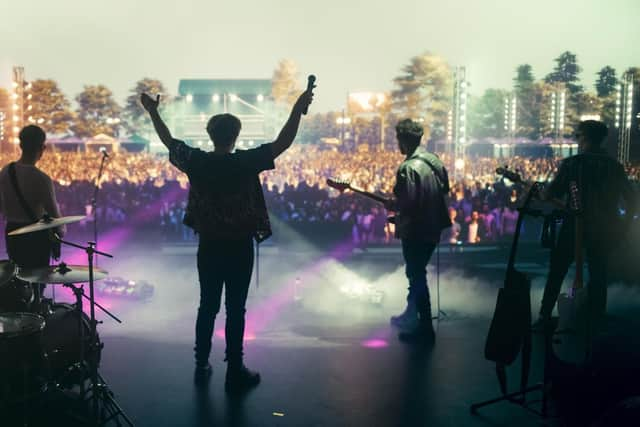

The shift reflects the UK’s wider music tourism boom. In 2024, 23.5 million music fans attended concerts and festivals nationwide, contributing billions to the visitor economy.
More than six in 10 Brits (61%) travelled to a leisure event in the past year, according to VisitBritain. The data also shared that 18% attended a show or live performance, while 16% travelled specifically for a concert or gig, making live entertainment one of the UK’s fastest-growing travel drivers.
New regional data reveals that London remains the UK’s leading destination for live events, attracting 19% of visitors travelling to concerts, shows and festivals.
| Top visited regions across live events (2025) | |
| Location | % of visitors |
| London | 19 |
| Scotland | 12 |
| North West | 12 |
| East of England | 10 |
| Wales | 9 |
| West Midlands | 8 |
| South West | 7 |
| South East | 7 |
| North East | 7 |
| East Midlands | 6 |
| Northern Ireland | 4 |
Major venues such as The O2 Arena, Wembley Stadium and Royal Albert Hall regularly draw fans from across the UK, helping cement the capital’s status as the country’s biggest hub for live music.
Scotland and the North West follow behind London, each attracting 12% of event travellers, with cities such as Glasgow, Edinburgh, Liverpool and Manchester continuing to play a key role in the UK’s live music scene.
The East of England attracts 10% of visitors travelling to live events, followed by Wales with 9%, while the West Midlands accounts for 8% of event travel.
Meanwhile the South West, South East and North East each attract 7% of visitors travelling for concerts or shows, while the East Midlands sees 6% and Northern Ireland 4%.
The research also shows Londoners are the most enthusiastic concertgoers in the UK.
| Regions that attend a concert or gig the most (2025) | |
| Location | % of visitors |
| London | 26 |
| Scotland | 13 |
| North West | 11 |
| Wales | 9 |
| North East | 9 |
| East of England | 7 |
| East Midlands | 7 |
| West Midlands | 6 |
| South East | 6 |
| Northern Ireland | 4 |
| South West | 3 |
Around 26% of London residents attend concerts or gigs, the highest proportion anywhere in the country.
Scotland follows with 13% of residents attending gigs, while the North West records 11%.
Wales and the North East both see 9% of residents travelling to concerts, while the East of England and East Midlands record 7% each.
In the West Midlands and South East, 6% of residents attend concerts, while 4% of people in Northern Ireland travel for gigs. The South West records 3%, though residents there often travel longer distances for major tours.
Travel specialists at Together Travel say these trips are increasingly extending beyond the event night itself, particularly in major event cities like London, as fans build multi-night stays around concerts rather than returning home the same evening.
“Concert travel has evolved,” says Laura Dubois of Together Travel. “It’s no longer just about seeing your favourite artist; it’s about building a full experience around it. Fans are planning long weekends, exploring the local food scene, booking coastal stays or countryside retreats, and travelling in groups to make it more cost-effective.”
While 52% of concertgoers and 54% of show attendees still travel as day visitors, a growing number now stay overnight, particularly for major tours and large arena shows.
Among music festival attendees, 31% stayed in paid accommodation, while 47% of concert and gig attendees booked overnight stays.
Younger audiences are opting for city-centre apartments close to nightlife and post-show events, while older or multi-generational groups are pairing concerts with spa breaks, coastal escapes or countryside stays.
Those aged 25-34 are the most active event travellers, over-indexing across nearly all categories.
Although three quarters of events take place within three hours of home, around 21% of trips involve travel of more than three hours, highlighting fans’ willingness to travel long distances to major venues such as those in London.
Laura warns demand for accommodation can rise quickly once tour dates are announced: “Prices can rise by 30% within weeks of a major announcement in high-demand areas, booking accommodation early gives you better choice and better value.”
“People are now building short breaks around what they love whether that’s music, sport or cultural events,” says Laura. “Concerts are becoming the anchor point for full weekend experiences.”
With 2026 tour announcements building momentum, London and other major UK event destinations are expected to see continued growth in event-led travel and staycations.
Things to remember before booking your accommodation:
Laura believes it takes smart planning and organisation when it comes to finding the right place to stay ahead of a concert or gig night.
1. Book early: Ideally 4-6 months ahead
“Accommodation in popular music destinations can tighten quickly once tour dates go live. For major summer tours and festivals, travellers should aim to book four to six months in advance, and even earlier (up to six to nine months) for peak holiday periods.
“Prices can rise by 30% within weeks of a major announcement in high-demand areas,” says Laura. “Booking early gives you better choice and better value.”
2. Stay just outside the city centre
“Properties 20-40 minutes outside major venues, including coastal or countryside locations, can offer 15–30% lower nightly rates while providing more space.
“A City-centre hotel room could cost £200-£250 per night, per room or a three-bedroom self-catered property could cost £400-£500 per night total, split this between six guests, that could mean £70-£85 per person per night, compared to £200+ each for separate hotel rooms,” Laura explained.
3. Travel in groups to cut costs
“Group travel is one of the biggest savings opportunities. A two-night stay in a three-bedroom property costing £900 total would work out at £150 per person, based on six guests.
“Larger self-catered properties allow fans to share costs while enjoying communal space before and after the show.”
4. Plan the full weekend in advance
“Restaurants, brunch spots and local attractions can book up quickly around major tour dates. Pre-planning by calling ahead can help avoid inflated last-minute prices and limited availability.”
5. Check late-night transport before you book
“Before committing to accommodation outside the city, check for the last train times, event shuttle services and taxi availability to prevent surge pricing,” Laura shared. “Factoring in transport costs early can prevent unexpected overspending.”