
Wombles of Wimbledon: Meet London's original eco-warriors
The Wombles are the famous inhabitants of Wimbledon Common
Long before Greta Thunberg took to the world stage, a group of pointy-nosed, furry creatures were already hard at work saving the planet, one empty crisp packet at a time.
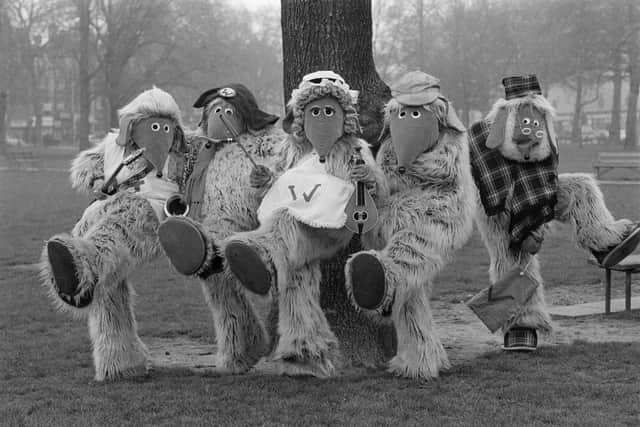

We’re talking, of course, about the Wombles of Wimbledon, the original eco-warriors with a talent for turning trash into treasure and a penchant for stylish scarves.
First appearing in a children’s book by Elisabeth Beresford in 1968, the Wombles quickly became household names thanks to their delightfully stop-motion-animated TV series, which aired in the 1970s.
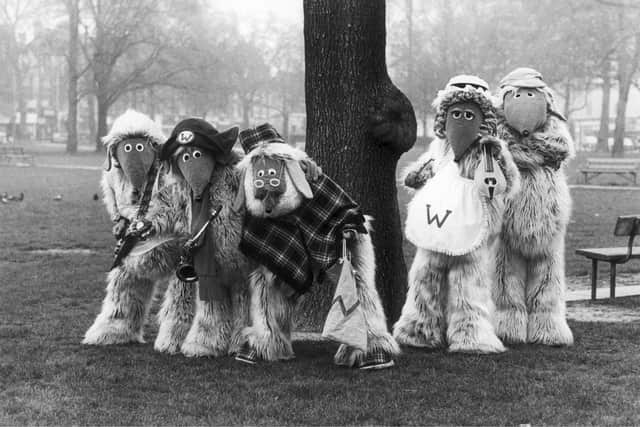
Set on Wimbledon Common, these subterranean recyclers made it their mission to “make good use of bad rubbish” - a tagline that has aged like fine compost.
Led by the tweed-loving Great Uncle Bulgaria, the Wombles weren’t just cute and cuddly. They were green before green was mainstream.
Orinoco, the perpetually sleepy one, may have preferred naps to litter-picking, but even he managed to lend a paw when needed.
Tobermory, the engineering genius, could whip up a working contraption from an old kettle and some shoelaces, while Madame Cholet, the culinary queen, kept everyone fuelled with bizarre but wholesome meals. (Recycled stew, anyone?)
But the Wombles weren’t just confined to the Common. Oh no. In the 1970s, thanks to the musical magic of Mike Batt, they burst onto the pop scene wearing full Womble suits and armed with catchy tunes like “Remember You’re a Womble” and “The Wombling Song.”
In a twist no one saw coming, they actually charted in the UK Top 10 several times. Imagine that: a fictional recycling crew giving Bowie and Queen a run for their money.
Beyond the charts and children’s telly, the Wombles have left a surprising legacy. They’ve inspired generations to care about litter, repurposing, and respecting nature.
Their gentle environmentalism feels incredibly relevant today, in an age of climate anxiety and plastic pandemics. They were the original zero-waste influencers—before Instagram was even a glint in the internet’s eye.

In recent years, the Wombles have enjoyed several revivals, including cameo appearances at Glastonbury Festival, eco-campaign tie-ins, and attempts at rebooting the TV series for a new generation.
While the CGI versions haven’t quite captured the same homespun charm of the originals, there’s still a warm spot in Britain’s collective heart for those curious creatures in capes.
So, whether you grew up humming “Underground, Overground, Wombling Free…” or you’re just discovering them now, the Wombles remain a delightful reminder that caring for the planet doesn’t have to be preachy—it can be fun, whimsical, and full of character.
Next time you spot a stray sandwich wrapper on the grass, just ask yourself: what would Great Uncle Bulgaria do?