
Oldest pub in London: The storied histories of the capital's oldest pubs - from Charles Dickens to pirates
London is home to some of the oldest pubs in the UK, each with a rich past stretching back centuries, from riverside taverns once frequented by pirates to the drinking holes of Charles Dickens.
London’s pub scene is world-famous, but a handful of its watering holes stand apart for their extraordinary age and remarkable stories.
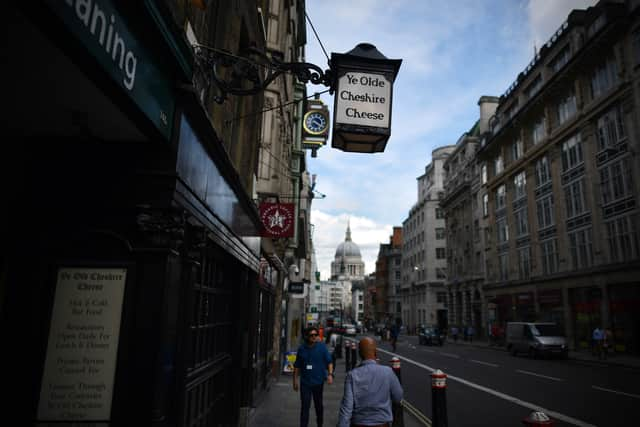

While several venues claim to be the capital’s oldest, the truth depends on how you define it: the oldest site, the oldest building, or the oldest continuously licensed pub.
What’s certain, though, is that each one offers a window into London’s past, from medieval monasteries to rowdy coaching inns and shadowy riverfront taverns.
Ye Olde Cheshire Cheese, Fleet Street
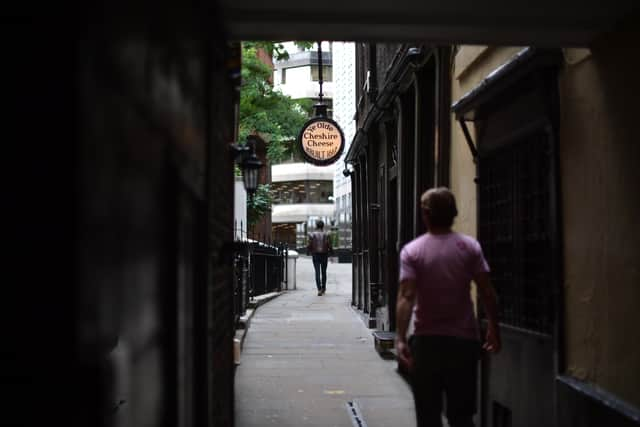
Tucked away off Fleet Street, Ye Olde Cheshire Cheese ranks among London’s most atmospheric pubs. Rebuilt in 1667 after the Great Fire of London, its maze-like interior sits atop foundations dating back to a 13th-century Carmelite monastery. Step inside and it feels like slipping through time: narrow staircases, dimly lit snugs and vaulted cellars that hint at its medieval origins.
The pub became a magnet for literary figures in the 18th and 19th centuries. Charles Dickens was a regular, weaving the pub’s smoky charm into his London writing, while Samuel Johnson, Mark Twain and Sir Arthur Conan Doyle were also known to frequent it. Even today, the walls are adorned with tributes to its most famous patrons, giving the sense that you’re drinking in the same rooms where great minds once mused over their pints.
Though it isn’t London’s oldest structure, Ye Olde Cheshire Cheese is often considered one of the capital’s oldest pub businesses — continuously operating, in one form or another, for more than 350 years.
The George Inn, Southwark
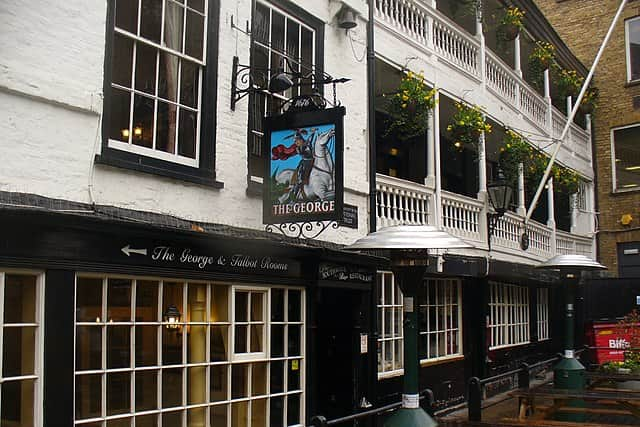
Just a short stroll from London Bridge stands The George Inn, a rare survivor from the age of horse-drawn coaches. Now owned by the National Trust, the pub is London’s last remaining galleried coaching inn, complete with timber-framed balconies that once overlooked bustling courtyards.
The current building dates back to 1676, rebuilt after fire tore through the area, but inns have existed on the site since medieval times. In its heyday, The George was a major stopover for travellers heading in and out of the city, a place to rest, drink and swap stories before the next long, bumpy journey.
The pub’s literary ties are strong, too. Charles Dickens was a known visitor and mentioned a nearby coaching inn, the George and Vulture, in Little Dorrit. Today, The George remains a popular spot for Londoners and visitors seeking historic charm with their pint, offering one of the most evocative glimpses into the city’s coaching-era past.
The Prospect of Whitby, Wapping
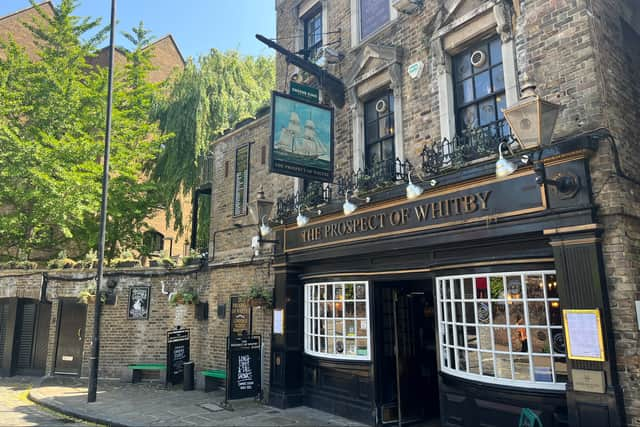
If it’s age you’re after, The Prospect of Whitby in Wapping may have the most substantial claim. Dating to around 1520, it is widely regarded as London’s oldest riverside pub. Originally named The Pelican, it later gained the more ominous nickname “The Devil’s Tavern” thanks to its notorious clientele of sailors, smugglers and pirates.
The pub’s history is intertwined with tales of crime and punishment. Judge Jeffreys, known as “The Hanging Judge”, is said to have frequented the tavern, and a noose still hangs by the riverside terrace as a nod to its dark associations. Inside, the uneven flagstone floor is believed to be original, worn smooth by five centuries of footsteps.
Today, visitors come as much for the views across the Thames as for the history, but its stories of maritime mischief remain very much alive.