
Fail to prepare? Prepare to fail: Mountain rescues skyrocket as summer approaches
With the onset of warmer, sunnier days, there is an increased desire to explore and enjoy the great outdoors. While this is great – especially after our long, windy winters- it is important to be prepared to avoid danger.
Ordnance Survey (OS) data, compiled with figures from Mountain Rescue England and Wales (MREW) shows a dramatic increase in rescues in the last 5 years, with a 24% rise in callouts across England and Wales from 2019-2024. Shockingly, last year was the first time in history that MREW were called out every single day of the year.
The demographics have also dramatically changed since the pandemic, with 18–24-year-olds now being the most rescued age bracket compared to 50–54-year-olds pre-COVID.
A few potential reasons have been listed for the rise, with social media blamed for the popularity of trips to ‘insta-worthy’ locations, regardless of safety risks. In MREW’s Annual Report from 2024, readers are clearly warned of this phenomenon: “Beware seeking out that seductive selfie spot!”. Ineffective maps, which don’t cater to remote locations, were also responsible for many accidents.
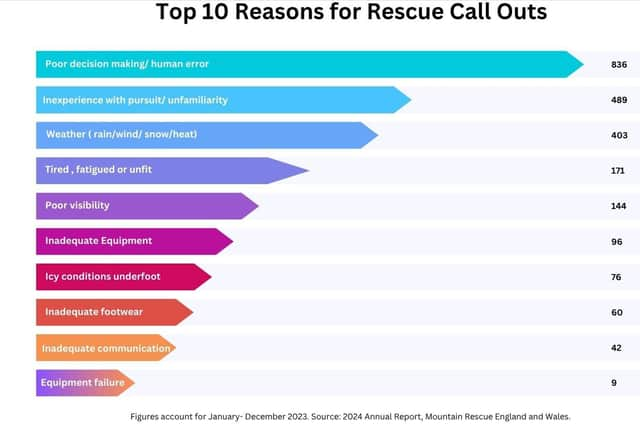

Key factors which led to rescues included poor decision making, inexperience, inadequate equipment and tiredness and fatigue, with human error accounting for the bulk of callouts.
With May, June and August having been the busiest months for cases, accounting for 33% of all incidents in 2024 according to MREW, here are your 5 top tips to avoid issues on your adventures this summer.
- Know your route: Have your mobile maps, a physical map and a compass - and learn how to read it!
One issue with regular city mapping apps such as Google Maps is the lack of accurate or relevant information on wilderness areas, which mean they can lead to people becoming lost or getting into dangerous situations. To combat this, ensure you have a physical map as well as a navigation system available.
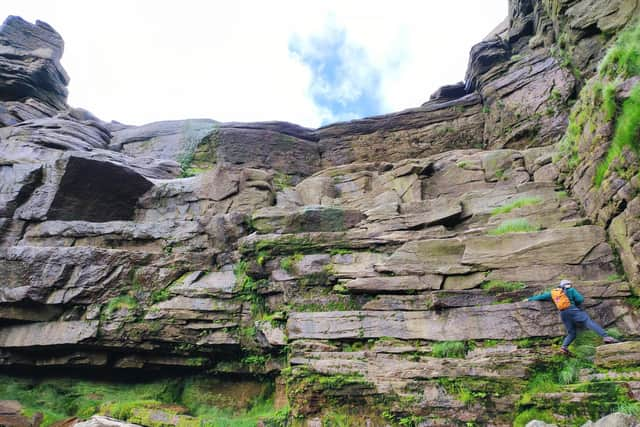
Nick Giles, Managing Director of Ordnance Survey leisure, advises to plan routes ahead when going on a hike or climb, saying: “Download OS Maps app onto your phone, together with an OS paper map and some simple map reading skills, and you will guarantee yourself a wonderful adventure without getting stranded or lost”.
- Make sure you have the correct gear: according to the outdoor safety group Adventure Smart, the latest high-tech clothing isn’t necessary, but your clothing should be able to protect you for whatever conditions you may face. Always wear sturdy footwear and bring layers, including a waterproof layer- don’t get caught out!
Snacks, drinks, a map and compass and a mobile phone with a waterproof cover and power bank are all important to ensure safety. Your phone can be your lifeline in emergencies, so always ensure to keep it charged. Additional protective gear for specialist climbs, bike rides or first aid kits can also be useful when outdoors.
- Check the weather: always look at the forecast before heading out, and check it for all points of your journey, not just your starting point. The Met Office can provide the information needed. This is important for any adventure outdoors, whether it be climbing, scrambling, walking or cycling.
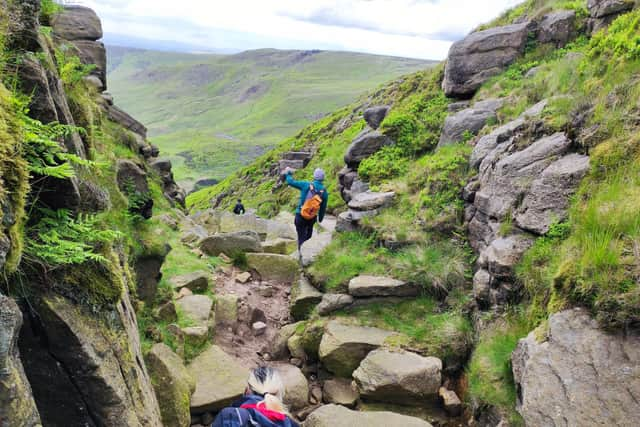
Adventure Smart advises to prepare for wind, rain and cold, even if the morning looks sunny, as conditions can rapidly change. Bring a hat and gloves, even in the warmer weather, and prepare for all conditions with essential items such as sunscreen or layers as required.
- Tell someone where you’re going: Always let people know where you’re going, what your plans are and when you expect to return. This ensures your safety, as it means that if you get lost, someone outside the area can call for help. This can mean the difference between life and death, as accidents can occur suddenly even if you expect everything to be fine on the day. It also means that, if your phone dies and you get stranded, help can get to you and rescue services can find you more easily.
Phil Gerrard , the Chair of the Lake District Search and Mountain Rescue Association, says: “If you’ve taken 2-3 hrs to get to where you are calling us from, it’ll probably take us 2-3 hours to get there to help, longer if you can’t give a location. It’s not much fun if you’re sitting on a windy mountainside, cold and wet, waiting for rescue to arrive. Far better to start small, build experience, take a few precautions and give yourself a better chance of having a great day.”
- Know your limits:
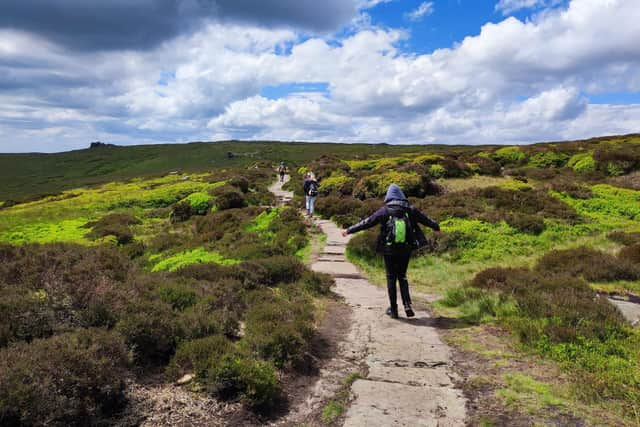
Thousands of people call for help due to tiredness every year. Knowing your limits can be lifesaving. If you feel the weather, conditions ,or the route planned are beyond your ability- or that the equipment you’ve brought aren’t suitable-, remember that it’s fine to turn back or change your plans for safety. Your life is more important than powering through, so be flexible and know your limits to stay safe outdoors.
To sum up what you need to ensure your safety on an outdoors adventure, Tim Radford, the Chair of the North Wales Mountain Rescue Association, advises:
“The three things we’d recommend are all about clothing and equipment (have I got what I need?), knowledge and skills (will I be able to enjoy my day safely?) and the weather (do I know what’s heading my way if I’m on top of the mountain?).
“These all come under the AdventureSmart campaign banner,” says Tim, “and
there’s lots more advice at https://www.adventuresmart.uk or in the Stay Safe
section of www.mountain.rescue.org.uk or www.nwmra.org/staysafe . ”
For More information, visit www.adventuresmart.uk