
Improving the details: how small changes are redefining sash window design
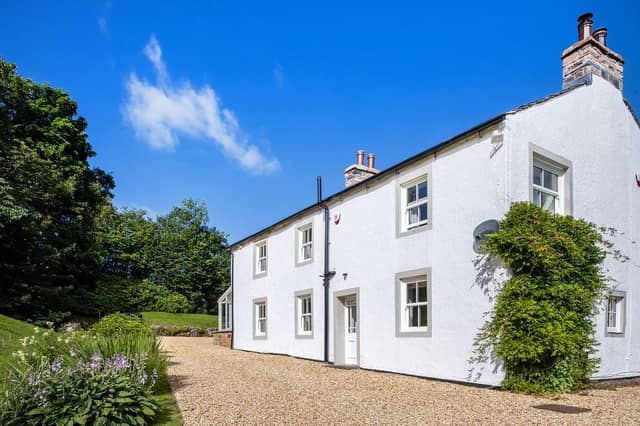

When it comes to home improvements, it’s often the smallest details that make the biggest difference. Nowhere is that more evident than in the evolution of sash window design, where subtle refinements in finish, proportions, and functionality are quietly reshaping expectations across the UK.
This shift is reflected in recent product developments, with Quickslide set to introduce a new matt real-timber-look Chalk White finish for its uPVC sash windows this April. The launch highlights how even relatively small design changes can have a noticeable impact on both appearance and usability.
The Shift Towards Detail-Driven Design
For years, the main selling points of uPVC windows were clear: lower maintenance, improved insulation, and long-term durability. While those benefits still matter, they are no longer enough on their own, especially with sliding sash windows and the appeal of traditional styles.
Homeowners are becoming more design-aware, particularly those living in period properties or conservation areas. The expectation now is simple – modern windows can’t just perform well, they need to look appealing too.
This has led to a noticeable shift in how sash windows are designed, with manufacturers focusing more on the finer details that influence overall appearance.
What’s changing?
· Slimmer midrails that better match traditional proportions
· More accurate replication of timber joints and features
· Improved colour finishes that soften the look of uPVC
Individually, these might seem like small tweaks. Together, they are redefining what a modern sash window can be.
Why Authenticity Matters More Than Ever
In older homes, especially Victorian and Georgian properties, windows play a central role in defining the building’s character. Even minor inconsistencies in design can stand out, which is why authenticity has become such a key focus.
Modern uPVC alternatives are now being designed with this in mind – replicating not just the look of timber, but also the finer details that give traditional windows their charm.
Key features driving this change:
Slimmer proportions
A slim midrail helps create a more balanced, traditional look, closely resembling original timber sash windows.
Heritage-style detailing
Elements such as run through sash horns and astragal bars are carefully designed to look more natural, contributing to a more authentic finish.
Mechanical joints
Replacing visible welded corners with mechanically jointed alternatives allows for a closer match to traditional timber construction.
The Rise of More Realistic Finishes
One of the biggest visual improvements in recent years has been in colour and surface finishes. Earlier generations of uPVC often had a uniform, slightly artificial smooth white appearance, which made them stand out – especially in traditional settings.
Newer finishes are addressing this by introducing more texture, softer tones, and a more natural look.
The newly introduced matt Chalk White offers a softer, more textured quality designed to better replicate painted timber. This helps the window blend more naturally into period properties, where harsh or overly modern finishes can look out of place.
This is particularly valuable in conservation areas, where planners are often concerned with maintaining the visual integrity of a building. A more authentic finish can make a significant difference in how a replacement window is perceived.
A More Balanced Approach to Replacement Windows
The evolution of sash window design reflects a broader change in how home improvements are approached. Rather than focusing purely on performance or cost, there is now a greater emphasis on balance – getting the right combination of aesthetics, functionality, and long-term value.
This is particularly important in the UK, where a large proportion of homes are old and have distinct heritage styles. In these homes, replacement windows need to work harder - not just technically, but visually as well.
Quickslide is a specialist UK manufacturer focused on uPVC sash window design and production. Their work reflects the wider direction of the industry, where attention to detail and authenticity are becoming central to product development rather than optional extras.
This approach can also be seen in how manufacturers like Quickslide are refining both visible and hidden elements of their products - demonstrating that even small updates, such as improved finishes or slimmer proportions, can elevate the overall design.
What This Means for Homeowners
For homeowners considering new sash windows, these changes bring a number of advantages.
More choice, fewer compromises:
· Improved designs that better suit period properties
· Finishes that look more natural and less synthetic
· Modern features that don’t detract from appearance
· Greater confidence when dealing with planning requirements
Perhaps most importantly, it means homeowners no longer have to choose between style and practicality - they can have both.
Looking Ahead
As interest in heritage-style home improvements continues to grow, the demand for products that combine traditional aesthetics with modern performance is only set to increase.
The upcoming April launch of features such as a concealed head vent and a more authentic Chalk White finish is a clear reflection of this trend. These kinds of improvements may appear subtle, but they represent a meaningful step forward in how sash windows are designed, specified, and installed.
And while the changes may not always be immediately obvious, they underline an important shift within the industry – one where the smallest details are making the biggest difference.