
What does ‘Plato’ mean? Police term explained after major incident declared on London-bound train
Police use the term to describe a ‘maundering terror attack’. It was used last night following a mass stabbing on a train from Doncaster to Kings Cross. The term has since been stood down but this is what it means.
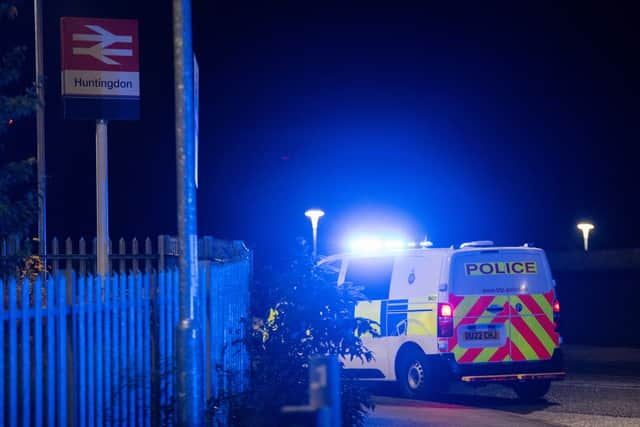
Police declared a major incident in Huntingdon last night (November 1) after multiple people were stabbed on a London-bound train, a shocking event that saw emergency services, including armed police, flood the area.
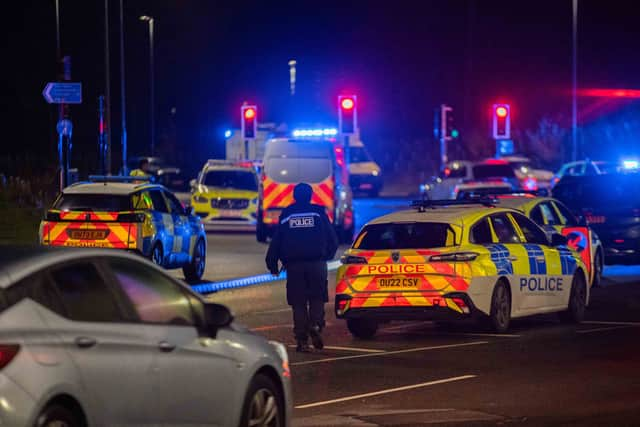

Two men, both British nationals in their 30s, have been arrested on suspicion of murder and remain in custody.
Nine people were taken to the hospital by ambulance with life-threatening injuries, and one person later self-presented. Four people have been discharged, and two remain in a critical condition.
Was the train stabbing a terror attack?
Reports this morning have bandied around the term ‘Plato’, which was reportedly used at the scene - but what does it mean, and is it still relevant?
In UK policing, Operation Plato is the code word used to describe a response to a marauding terrorist attack, where attackers move through an area, targeting multiple victims.
Declaring Plato triggers a coordinated, multi-agency response from police, fire, and ambulance services, as outlined in national counter-terrorism procedures.
The system is designed to ensure the fastest possible deployment of armed officers, paramedics, and rescue teams in situations where lives are at immediate risk. It also allows emergency services to share command and control perimeters and prioritise casualty care.
Following the stabbings aboard a train travelling from Doncaster to London, British Transport Police (BTP) confirmed that the train made an unscheduled stop at Huntingdon station, where officers, paramedics and fire crews were quickly on the scene.
‘Plato’ operations stood down, BTP leading investigations
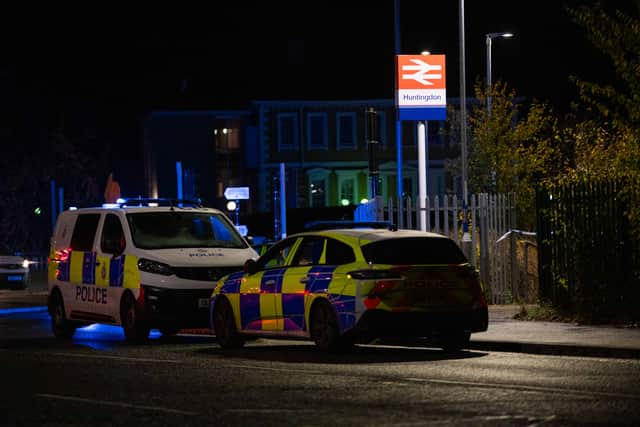
In a statement, BTP said: “Ten people have been taken to hospital with nine believed to have suffered life-threatening injuries… This has been declared a major incident and Counter Terrorism Policing are supporting our investigation whilst we work to establish the full circumstances and motivation for this incident.”
At one point during the response, officers reportedly invoked Operation Plato as a precaution while assessing the situation. The declaration was later stood down, after investigators determined there was no immediate evidence of a terrorist motive.
Chief Superintendent Chris Casey described the incident as “shocking”, adding: “We’re conducting urgent enquiries to establish what has happened. It would not be appropriate to speculate on the causes at this stage.”
While the Plato declaration has since been rescinded, its brief use underscores the scale and seriousness of last night’s attack — and how rapidly police must respond when facing the unknown.