
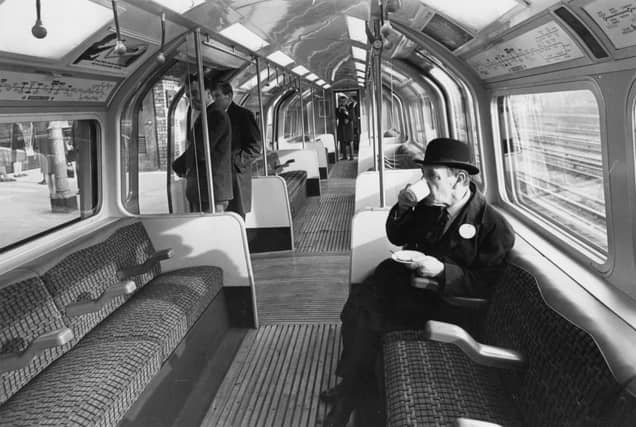


The London Underground celebrates its 160 year anniversary this year, making it the oldest underground network in the world.
The whole network began with the Metropolitan Railway which constructed a railway that covered 6km (3.75 miles) and opened on January 10 1863.
The railway proved extremely popular from its first day, carrying 36,000 passengers and more railways were quickly proposed.
Today the Tube handles up to five million passenger journeys a day. At peak times, there are more than 543 trains whizzing around the capital.
The network has expanded to 12 lines and serves 272 stations, making it one of the busiest metro systems in the world.
Ahead of the first anniversary of the Elizabeth line we’ve taken a look at the history of the London Underground lines.
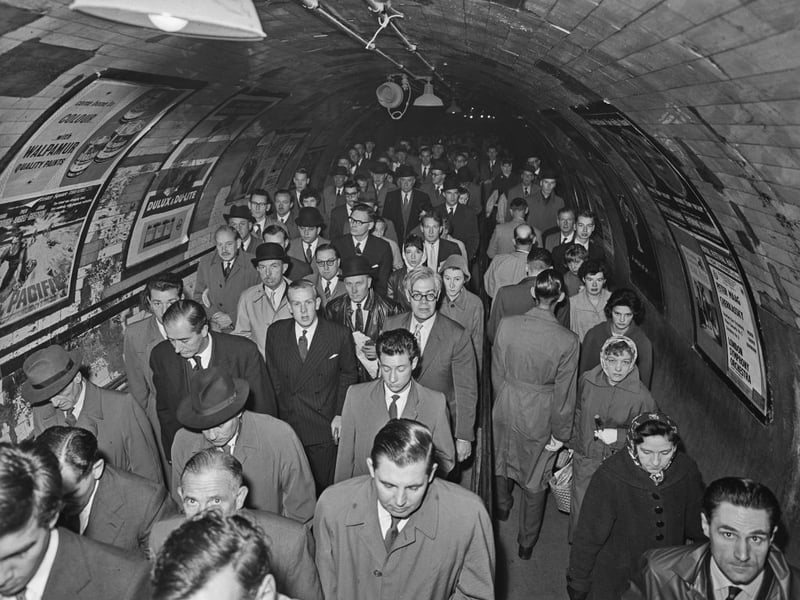
5. Waterloo & City line 1898
The Waterloo and City line opened in 1898 as the Waterloo and City Railway, this was the second deep level line to open in the world. | Getty Images
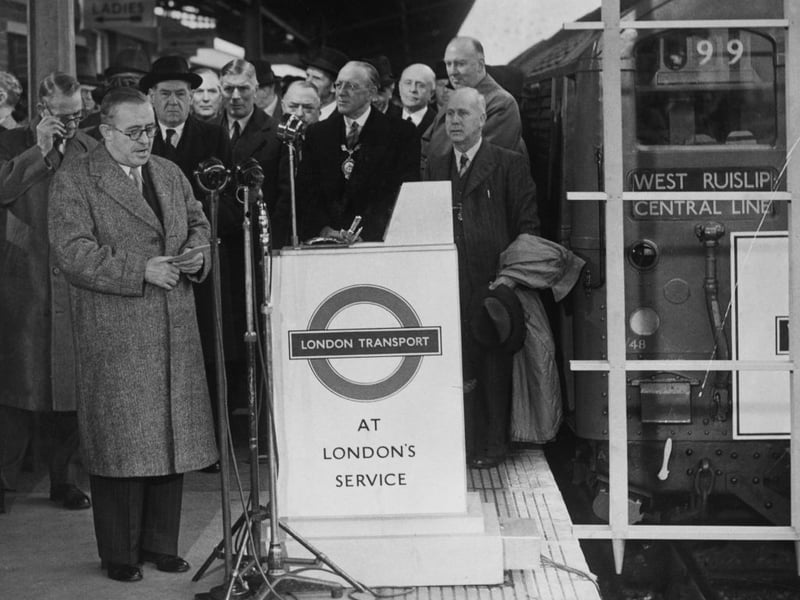
6. Central line 1900
The Central line was opened in 1900 as the Central London Railway, the line was extensively extended in the 1940s and is the longest line on the network. | Getty Images
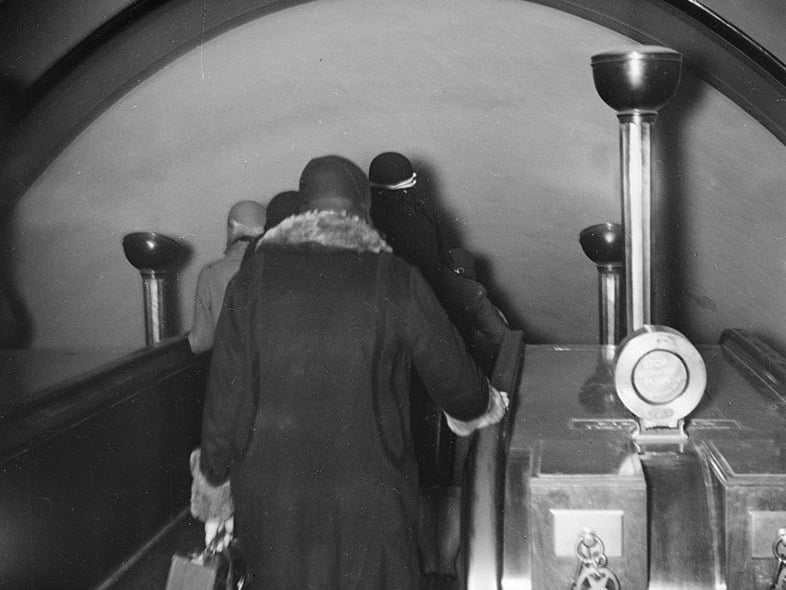
7. Bakerloo line 1906
The Bakerloo line opened in 1906 as the Bakerloo and Waterloo Railway. Today the line provides a vital link though Central London calling at 25 stations. | Getty Images
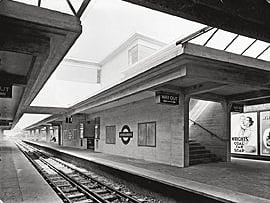
8. Piccadilly line 1906
The Piccadilly line also opened in 1906 as the Great Northern, Piccadilly and Brompton Railway and was extensively extended in the 1930s to form today’s line. | Getty Images