
The first parking meters in London - a quick history
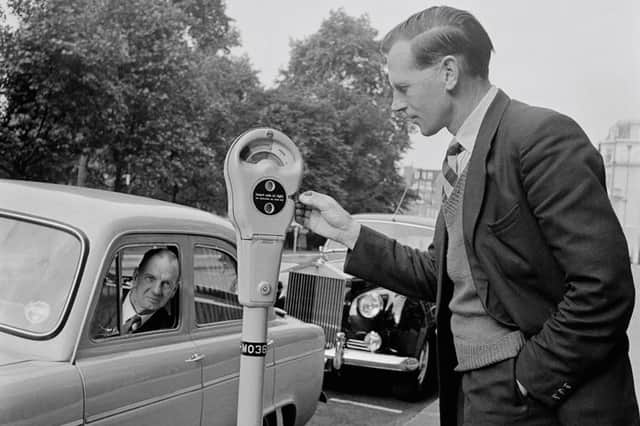
The UK’s first parking meters were installed in Mayfair in the 1950s
The capital has a bit of an odd relationship with cars. Some, like Black Cabs, are as synonymous with London as red telephone boxes and the royals.

And in some more illustrious parts of the city, you can hardly move for supercars lining the streets.
But outside of that, it’s rare to see people (especially outsiders) driving within the city - much less parking.

This is in large part due to the alarming cost of parking in the city - not to mention the convenience of the London Underground.
But believe it or not, it wasn’t always this way. Back in the day, London was actually rife with cars clogging up the pavements.
The first parking meters in London were installed in 1958. They were introduced as a way to manage parking in busy areas and help reduce congestion.
The first parking meters were initially introduced as a pilot program in Mayfair in the London Borough of Westminster. They were aimed at managing parking in high-demand areas.

The original meters were quite different from the ones we see today. They were bulky and mechanical, requiring drivers to insert coins to get a parking ticket. The introduction of parking meters was met with mixed reactions. Some people welcomed the move as a solution to parking congestion, while others saw it as an added burden and infringing on their convenience.
Revenue generated from parking meters was initially used to improve local infrastructure, including road maintenance and public transport.
Over the decades, parking meters have evolved significantly. Modern systems often use digital technology, allowing for contactless payments and real-time data collection.