
On this day in history: 171 years ago Paddington Station opened in London
On this day in history, May 29, 1854, London Paddington Station officially opened its doors, marking a transformative moment in British railway history.
Designed by the legendary engineer Isambard Kingdom Brunel, the station became the grand terminus of the Great Western Railway (GWR), connecting the capital to the West Country and Wales.


Over 170 years later, Paddington remains a marvel of Victorian engineering and a vital hub in London's transport network.
The journey to Paddington’s permanent station began with a temporary wooden structure in 1838, situated just west of Bishop’s Bridge Road. Brunel, determined to create a station befitting his ambitious GWR, drew inspiration from the Crystal Palace, incorporating vast iron and glass spans into his design.

The result was a three-span roof covering 13 platforms, a feat of engineering that combined functionality with aesthetic grandeur.
Brunel's meticulous attention to detail extended beyond the station's architecture. He surveyed the entire route from London to Bristol on horseback, ensuring the line's straightness and gentle gradients for optimal passenger comfort.
His dedication laid the foundation for what would become one of the most important railway lines in the country.
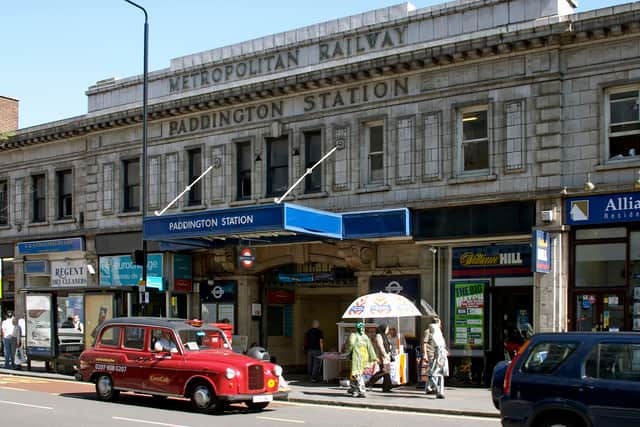
Paddington Station's design was not only innovative but also symbolic. The use of iron and glass allowed natural light to flood the platforms, creating an airy and welcoming environment for travellers.
The station's grandeur was further enhanced by the adjacent Great Western Hotel, opened in 1854, which provided luxurious accommodations for passengers.
Throughout its history, Paddington has undergone several expansions and renovations to accommodate increasing passenger numbers and technological advancements.

Notably, in the early 20th century, additional platforms and a fourth roof span were added, mirroring Brunel's original design while incorporating modern materials.
Beyond its architectural and engineering feats, Paddington Station has cemented its place in British culture. It famously served as the arrival point for Queen Victoria's first train journey in 1842, marking a royal endorsement of railway travel.
Perhaps most endearingly, the station is synonymous with Paddington Bear, the beloved children's character created by Michael Bond.
A bronze statue of the bear, complete with his signature hat and suitcase, sits under the clock on Platform 1, delighting visitors of all ages.

Today, Paddington Station continues to be a vital part of London's transportation infrastructure. It serves as the terminus for the Great Western Railway, offering services to the West Country and Wales, and is the starting point for the Heathrow Express, providing rapid transit to the airport.
The station also integrates with the London Underground, connecting passengers to the Bakerloo, Circle, District, and Hammersmith & City lines.
In recent years, Paddington has embraced modernity with the addition of the Elizabeth Line, part of the Crossrail project, enhancing east-west connectivity across London.
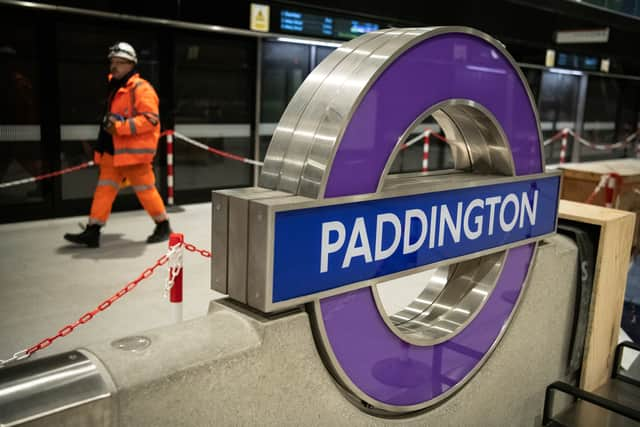
Despite these advancements, the station retains its historical charm, a testament to Brunel's enduring legacy.
As we commemorate the anniversary of Paddington Station's opening, we celebrate not just a transportation hub but a symbol of innovation, resilience, and cultural significance.
From its Victorian roots to its role in modern-day London, Paddington stands as a shining example of how infrastructure can transcend functionality to become an integral part of a nation's heritage.