
The cost of quick fixes: On style, apps, and what we might be avoiding
I’ve been thinking about how much we hand over to technology these days, even the deeply personal stuff, and it's easy, right, with one click, one swipe, one algorithm-generated insight? But when it comes to something as layered as self-image, I’m not sure tech gets the whole story.
These days, you can upload a couple of photos, answer a few style questions, and have a full colour palette and wardrobe breakdown handed back in less than ten minutes, which sounds efficient, smart, and maybe even helpful, and yet the ease of it leaves me wondering.
When you're feeling stuck or unsure of how to show up, the promise of instant clarity can be incredibly appealing because there’s no need for long conversations or awkward appointments, and you don’t have to explain yourself or sit with any discomfort; you just get a result, something that looks like certainty.
But that simplicity can be deceptive, since choosing a tool over a person might seem like convenience, although it can also be a way of avoiding reflection, because working with someone and really letting them see you means being honest, even when it’s uncomfortable, as it asks us to sit with questions we’ve maybe been dodging for years, such as whether we are confident in how we present ourselves, why certain clothes make us feel small, or what we are afraid of being seen as.
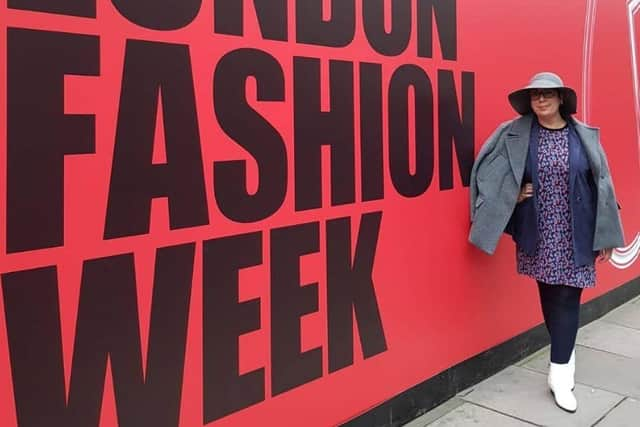

Style, at its core, is rarely just about what looks good; it carries stories, memory, and protection, since some outfits are a yes to the world, while others are a quiet no, and a skilled consultant can read those signals, including the hesitation in your choices and the things you reach for over and over, while apps, no matter how advanced, just crunch data, and they can’t interpret longing or fear.
Even when the recommendations are “right”, flattering, on-trend, and perfectly matched, something still feels off, almost like wearing a costume someone else picked, because until we understand the emotions that have shaped our image, dressing differently won’t feel like becoming ourselves and will instead feel like pretending.
What also gets lost in the mix is intention, since many of these platforms are built to sell, not to support, and they funnel you toward trends, promotions, and whatever’s popular this week, which is not alignment but marketing, and the fashion industry thrives when we second-guess ourselves just enough to keep clicking.
There’s something else, too, and it's that we’re placing a lot of trust in systems that don’t know us, not really, because we lean on tools that promise to understand us, while giving them as little context as possible, and in return we get something clean, fast, and emotionally neutral, and maybe that’s the trade-off, efficiency instead of insight.

And it’s not just style, it’s everything, since we ask apps for dating advice, AI for life direction, and search engines for self-help, and while none of that is wrong, it’s easy to forget that guidance without humanity can only go so far.
There’s something irreplaceable about a real conversation, about being asked the right question at the right time, about being witnessed, and that kind of attention changes things, because when someone listens not just to your words but to what’s behind them, something shifts, and you start seeing yourself differently, too.
Because our clothes are shaped by more than trends; they hold grief, hope, doubt, and celebration, and while a stranger might see a jacket, a trusted guide might see the armour you’ve been carrying for years.
Tools can give you a starting point, a new colour to try, a silhouette you hadn’t considered, but they can’t walk beside you through the discomfort of rediscovery, they can’t laugh with you when you try on something surprising and actually like it, and they can’t say, “You’ve changed, and that’s a good thing.”
Real confidence grows from that kind of space, one where you don’t just get answers but ask better questions, where you hear your voice again, not just the echo of someone else’s suggestions.
So, here’s something to sit with: Have you ever let a styling app or algorithm tell you who you are, and did it get close or totally miss the mark, and what would it look like to come back to your taste, your knowing, your timeline?
You don’t need perfect, you don’t need fast, you just need space to reconnect, and maybe a human who listens while you figure it out