
"Fed up" Royal reporter slams anti-monarchists as spreading "propaganda about the royal family"
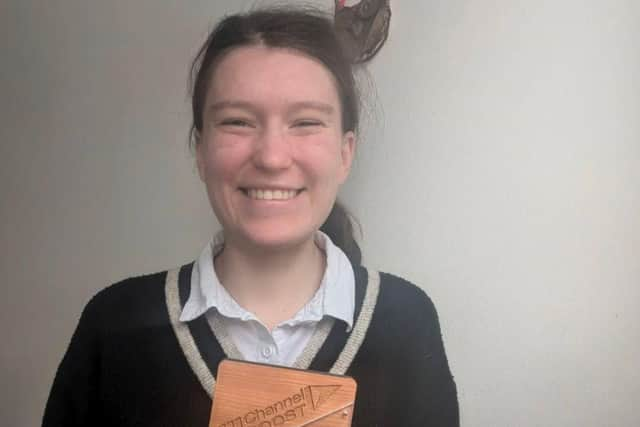
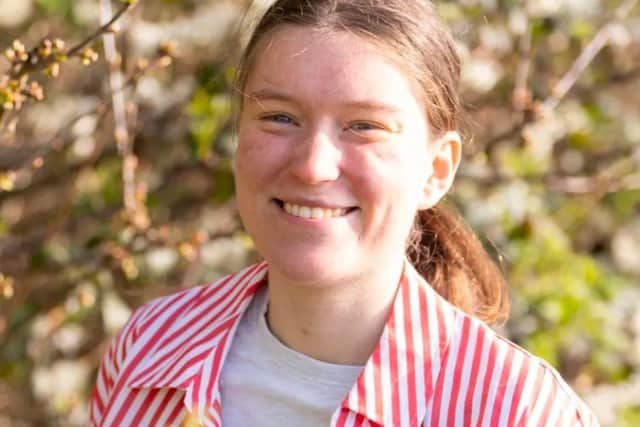
At just 20 years old, Lydia Alty has rapidly become one of the UK’s most prominent young voices on the monarchy. Through her YouTube channel Royal Reporter Lydia, which has attracted over 270,000 subscribers and amassed more than 120 million views, she dedicates her work to debunking misinformation, reporting on the latest royal news, and urging Britons — especially young people — to understand the monarchy’s place in British history and modern society.
Alty’s message
Lydia has grown frustrated by what she calls a surge of “anti-monarchist lies” that she believes distort the public’s view of the Royal Family. Her work is centered around educating her audience on the historical, constitutional, and social roles the monarchy plays — roles that often go misunderstood or misrepresented in public debates.
“The monarchy isn’t about day-to-day politics,” Lydia explains in one of her posts. “It’s about service, tradition, charity, and representing the UK on the world stage. People forget this because they only see headlines calling them ‘rich’ or ‘out of touch.’ But the truth is much more complex.”

She highlights the many charitable initiatives the Royals support, their promotion of British culture, and their contribution to tourism — a sector worth billions to the UK economy. “We should respect what the monarchy brings to our shared heritage,” she says, “and learn to appreciate the nuanced way they serve our country.”
Alty’s outspoken defense of the monarchy has also put her at odds with republican activists and groups such as Republic. She has openly criticized their campaigns as based on “flawed, uneducated, and emotionally charged misinformation,” which she says has fueled increasing hostility and even abuse toward members of the Royal Family.
“Disrupting events like Trooping the Colour by shouting, booing, and waving banners isn’t protest — it’s cruelty,” Lydia said. “Especially when you consider that Her Royal Highness was recovering from cancer, and her children were appearing alongside her and saw these people boo them, it's disgusting. These moments mean a lot to many people in the UK and abroad.”
"I wonder how these people would feel if we stood outside their homes and booed their young children?" Lydia continued saying.
In her educational content, Lydia spends considerable time explaining common misconceptions about royal finances. Many critics incorrectly claim the monarchy is an excessive drain on taxpayers, but Lydia points to the facts:
The Crown Estate, a large portfolio of land and property across the UK, is not owned by the monarch but managed independently.
Its profits go entirely to HM Treasury, supporting public spending.
The Royal Household receives a Sovereign Grant—currently 12% of the Crown Estate’s profits—to fund official duties, including travel, security, property upkeep, and staff.
“In 2023, the Crown Estate generated over £442 million in profit,” Lydia notes. “Of that, £86 million went to the Royal Household for constitutional work. The rest stayed in government coffers. The monarchy is not a financial burden — it’s a net contributor.”
“And importantly,” Lydia adds, “the Crown Estate’s profitability is largely because the monarchy’s presence and influence inspire confidence, tourism, and investment around these properties — not because of government management. The royals bring attention and prestige that few other institutions can.”
One of Lydia’s most detailed rebuttals is aimed at misconceptions surrounding the Duchy of Cornwall and Duchy of Lancaster, estates often targeted by republicans.
“These aren’t public lands,” Lydia explains. “They are private estates held in trust to provide income for the Prince of Wales and the reigning monarch. The Duchy of Cornwall, for example, was founded in 1337 and spans more than 130,000 acres. Even if we had a President these would NOT become public assets for the "community" despite what the republic party says. They would stay is there power, or they would be taken by the government and built upon because while everyone thinks about money, the royals think about sustainability and how they can help the community".
Lydia continued saying that she noticed how these campaigns only ever focused on the royals land, but tells viewers that Republic forget that most of the UK is owned by someone "so Monarchy or not someone will always get rent and get paid for those living on the land. The royals are lowering land charges, what are other landlords doing"
She emphasizes the legal and constitutional protections around the Duchies, which cannot simply be nationalized without breaking centuries-old laws and that if they are nationalised so should thousands of others acres of land owned by government and local councils.
Lydia also highlights the Duchies’ charitable and sustainable work:
- Supporting affordable housing projects
- Funding environmental and sustainability initiatives
- Investing in youth mental health and wellbeing
- Donating to local farming and community charities
“Compared to many landlords — public or private — the Duchies actively reinvest in communities. Yet that’s rarely mentioned.”
Lydia repeatedly stresses the importance of understanding history within its own context.
“We cannot expect institutions born in medieval times to function the same way as modern professions,” she says. “History evolves. Monarchies evolve, they are modernising. We have to learn how and why these roles developed over centuries. But we must keep traditions going this is what makes the UK, the UK!"
This perspective, she argues, is vital in any meaningful debate about the future of the monarchy or national identity.
Alty criticizes anti-monarchy campaigns for misdirecting energy away from pressing problems such as NHS funding shortfalls, education cuts, and government waste.
“If people are upset about underfunded schools or the state of the NHS, why aren’t they campaigning there instead of booing the Royal Family at national celebrations?” she asks.
She also warns that replacing the monarchy with a political figurehead risks instability and politicization of a unifying national symbol.
Despite being one of the youngest voices in the royal commentary space, Lydia Alty has gained respect for her detailed research and fearless advocacy. Her channel is a hub for those curious about British heritage and seeking clarity amid often hostile media narratives.
“I don’t want to live in a grey, soulless republic that erases our shared history,” Lydia says. “We should learn from our past, respect our traditions, and our monarchy. Don't like- tough- focus on something you do like. I don't like many things don't stand at a concert for a singer that I don't like and say not my singer- it's pathetic - people like what they like that's cool but unless it's political which they aren't you don't need to have your say. If people who hated the monarchy ignored them, they wouldn't affect their life, because the royals don't run the country, they represent it and help charities. If people have a problem with that- awesome- but just ignore it, and get on with your own life and stop bullying an institution doing loads for our country"
She continued saying "Let's fight for better pay for our amazing NHS and our schools, that will be time well spent instead because that actually affects the population of the UK".