
Londoners reveal their biggest commuting icks from playing music out loud to feet on the seats
As TfL cracks down on commuters who play music or videos out loud, a new survey reveals what else London workers say are their top commuting pet peeves.
Speaking loudly on the phone, playing music out loud, and poor hygiene are among the biggest commuting dislikes among Londoners.
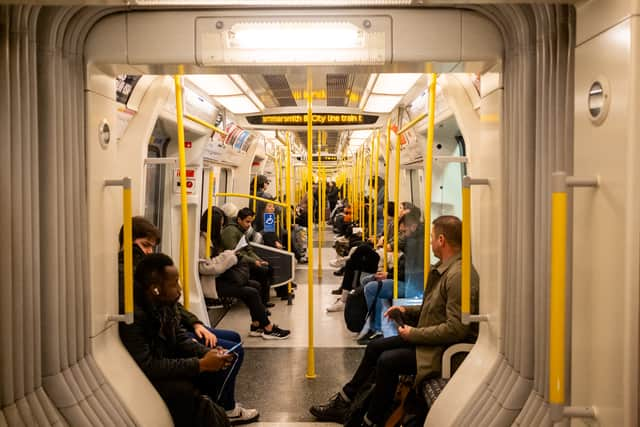

A study found other distasteful acts, or “pet peeves”, on the commute to work include chewing loudly and sitting next to someone even when there are other seats available. Talk about no personal space!
The research by Tombola surveyed London workers to analyse what grinds their gears when it comes to travelling to work, and whether this plays a part in them wanting to go to the office altogether.
The number one dislike is people speaking loudly on the phone, with almost half (47%) of working Londoners regarding this as the most infuriating thing that can happen on a commute. Be mindful of others next time you’re taking a call on the train.

Londoners’ top 10 biggest commuting pet peeves
Speaking loudly on the phone – 47%
Playing music out loud – 42%
Sneezing/coughing without covering your face – 39%
Feet on seats – 31%
Eating/chewing loudly – 29%
Anti-social behaviour – 21%
Leaving rubbish behind – 21%
Eating pungent food – 19%
Sitting next to someone even when there are other seats available (lack of personal space – 18%
Not waiting in turn – 17%
How often do working Londoners experience these pet peeves?
With the average Londoner’s commute to work taking 73 minutes a day*, there’s plenty of time to experience this frustrating behaviour.
More than half (61%) of all commuters in London will experience a pet peeve, similar to the ones listed above, at least once a week. A further quarter (25%) claimed they must endure them on multiple occasions a week.
Around a third (31%) of commuting Londoners would react by merely sitting there in silence, filled with silent anger. However, one in ten (12%), who are not as relaxed, say they would confront the person asking them for an explanation of their behaviour.
Shockingly, one in four (25%) who were surveyed admitted to committing one of these pet peeves themselves while on their way to work.
How do Londoners commute to work?
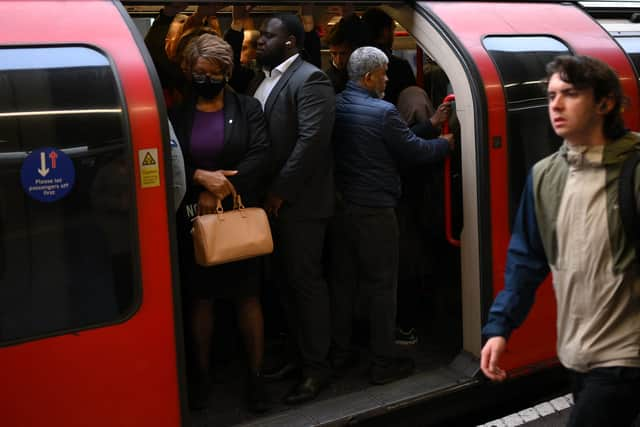
British working habits are constantly evolving to adapt to the changing demands of work-life pressures.
The survey revealed that only four percent of working Londoners have never commuted to work, meaning the majority will be exposed to these grumbles at some point in their career. But since the Covid Pandemic, most working Londoners have adopted a ‘hybrid’ policy, as nearly a quarter (21%) say they commute less than once a week.
For those who commute to work, the majority opt to drive a car (74%). Nearly two in three (63%) take the train, and over half (52%) use other forms of rail, such as the tube or tram, to commute to work.
Good manners cost nothing
Laura Akano, Etiquette Expert at Polished Manners, commented: “When travelling to work, it’s important to remember that public transport is a shared space, not an extension of your home. Good etiquette goes a long way to ensure a smoother, more pleasant journey for everyone.
“Some of the golden rules of etiquette when using public transport are always to have your ticket ready, avoid sitting on priority seats, and keep your feet and bags off the seats. Don’t bring or eat food with strong smells, as the smell will linger and make the environment uncomfortable for other passengers, and if eating food try to do it as respectfully as possible.
“If someone is being inconsiderate on your commute to work, make sure to use discretion. It’s okay to politely ask someone to move their bag if it’s on a seat, but for more serious issues, it’s safer to alert a member of staff. If possible, move to another carriage or wait for the next transport to arrive.
“Poor commuting etiquette can have a bigger impact than people realise – it can leave passengers feeling irritable, stressed or emotionally drained. For some, if the experience is so unpleasant, they will begin to avoid public transport altogether to protect their general well-being, fostering a ‘work from home’ culture.”
Samantha Wilcox, Organic Manager at Tombola, said: “Our research focuses on the everyday frustrations of commuting, shining a light on some of the nation’s biggest pet peeves. Your morning sets the tone for the day, and the commute to work can significantly influence how the rest of the day unfolds. By highlighting what British workers find frustrating, we are hoping to make it a more pleasant journey for all commuters, with a healthy dose of humour thrown in. Because, let’s face it, commuting could do with a bit more politeness here and there!”