
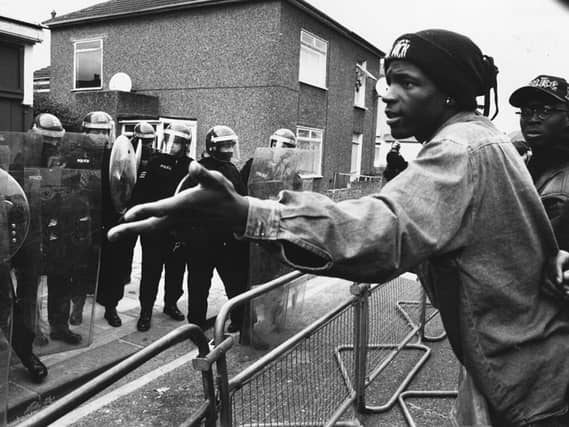


The London of 30 years ago was both a different world and remarkably familiar as we look back from this millennium.
In 1993 John Major was prime minister, but the popular John Smith was making headway for Labour. His death the following year would leave the way open for a young Tony Blair.
It was a year of terrorist attacks, with IRA bombings in Camden, Bishopsgate, Finchley Road, and at Harrods.
Stephen Lawrence was murdered in southeast London, highlighting racism in society and its institutions.
In popular music, the first rumblings of Britpop were emerging, while rave, pop, and grunge still dominated the charts.
Manchester United became the first champions of football’s new Premier League. London wouldn’t find a winner until Arsenal in 1998.
At Wimbledon, Pete Sampras and Steffi Graf were the winners.
Younger Londoners were playing on their Sega Mega Drives and Super Nintendo Entertainment Systems (SNES), with PlayStations and Nintendo 64s still to be released.
At the Oscars, London’s Emma Thompson picked up the best female actor gong for her performance in Howards End, while Clint Eastwood won the director and best picture awards for Unforgiven. Al Pacino was named best actor for Scent Of a Woman.
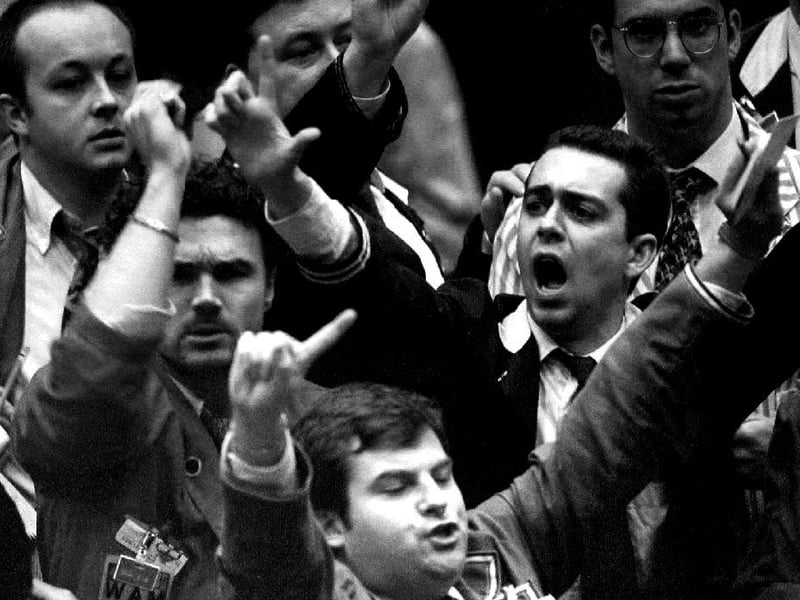
9. City of London traders
Dealers on the floor of the London International Financial Futures and Options Exchange shout options on January 26, 1993, after Chancellor of the Exchequer Norman Lamont lowered the interest rate to 6% - the lowest level since 1977. (Picture: Gerry Penny/AFP via Getty Images) | AFP via Getty Images
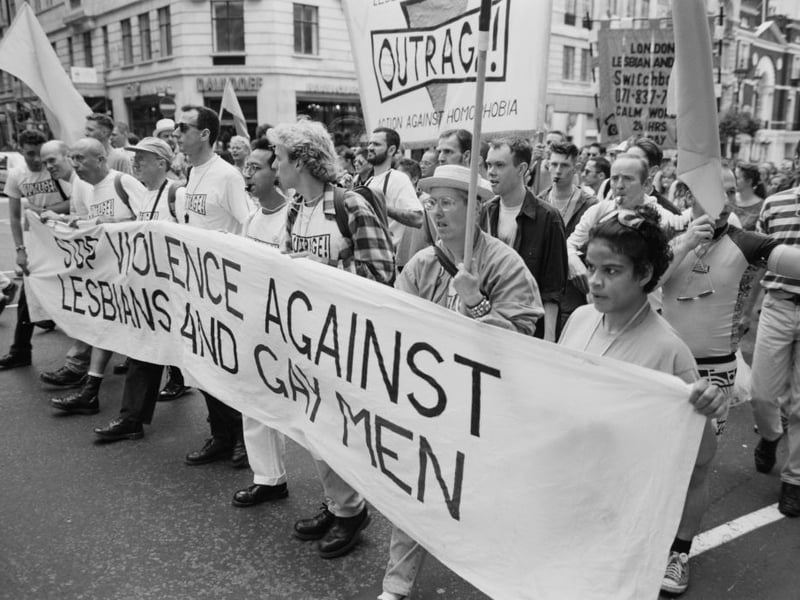
10. Pride in London
Members of the British LGBT rights group OutRage Marching with a banner reading “Stop Violence Against Lasbians And Gay Men”, at Pride on June 19, 1993. Activist Peter Tatchell is in the front row, fifth from right. (Picture: Steve Eason/Hulton Archive/Getty Images) | Getty Images