
Is wood flooring the new must-have in London interiors?
As the design tastes of homeowners evolve, so do the elements that define a stylish and functional living space. In recent years, London interiors have witnessed a revival of a classic design staple — natural floors that bring warmth, character and timeless appeal to any home. From converted Victorian terraces in Hackney to contemporary apartments in Canary Wharf, this understated feature is reclaiming its place as a design must-have. But why now? What’s driving the comeback of traditional flooring, and which options are capturing attention in the capital’s buzzing property scene?
Let’s take a look at what’s fuelling this trend, what makes it so appealing and how today’s homeowners are blending tradition with modern performance.
The Return to Natural Interiors
There’s been a noticeable shift in London’s interior design scene towards organic textures and earthy tones. After a decade of minimalism and neutral greys, homeowners are craving spaces that feel authentic and grounded. This has translated into a desire for tactile materials — soft linens, warm clay tones and natural flooring surfaces. The resurgence of wood flooring fits squarely into this wider return to nature.
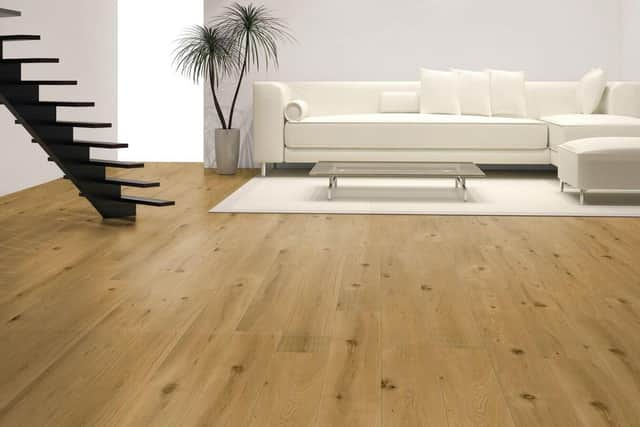

This isn’t just about appearance. Londoners are prioritising sustainability and longevity in the materials they choose. Flooring is no exception. Timber floors, particularly those from responsible sources, are celebrated not just for their aesthetics but also for their eco credentials. When cared for, they can last decades, age gracefully and even add to a property’s value.
Why London Loves Engineered Wood
One of the biggest shifts in recent years has been the move toward engineered wood flooring products. Unlike traditional solid hardwood, engineered boards are made from a real wood veneer bonded to layers of stable materials like plywood. This construction makes them more resistant to changes in humidity and temperature, ideal for homes in London where central heating, draughty windows and damp basements are part of daily life.
The added stability of engineered wood means it can be installed in areas where solid wood might warp or shrink. This includes kitchens, dining spaces and even underfloor heated rooms. It also comes in a wide variety of finishes, from matte oaks to smoked hues, offering all the charm of solid timber with enhanced practicality.
This adaptability has made it the go to choice for both homeowners and developers. It provides the timeless look of timber while standing up to modern-day living.
The Rise of V4 Wood Flooring
While many brands offer wood look surfaces, a few names stand out in delivering the real deal. One such name that’s made a strong impression in both retail and design circles is V4 Wood Flooring. Known for their commitment to quality and innovation, V4 products have become a staple in homes that marry traditional elegance with modern performance.
Their extensive collections offer everything from classic oaks to textured finishes that elevate the grain and tone of each plank. London homeowners are drawn to V4 Wood Flooring not just for its style range but also its use of responsibly sourced timber and eco-conscious manufacturing.
In new builds where uniformity and speed matter, V4’s click-fit systems and pre-finished boards make installation seamless. For renovation projects, especially those involving period properties, their herringbone and chevron formats offer an elegant nod to heritage interiors while still embracing contemporary tastes.
Flooring as a Design Anchor
What makes natural floors so enduring is their versatility. In a city as diverse as London, design tastes span across eras and aesthetics. Some love Scandi minimalism, others lean toward bold maximalism and many enjoy a fusion of the two. Regardless of style, natural timber provides a visual and emotional anchor.
Light toned woods open up small flats in places like Soho or Camden, while deeper tones add luxury to larger homes in areas like Kensington or Greenwich. In open-plan apartments, a consistent floor finish helps create a seamless flow, while in traditional layouts, varying finishes can help define zones or accentuate original features.
Beyond appearance, there’s also a sensory element to timber. The way it feels underfoot, the subtle texture, even the sound of steps across it, these qualities create a level of depth and comfort that laminates and synthetic alternatives struggle to replicate.
Sustainability and Longevity
As awareness of climate impact grows, homeowners are taking a closer look at the lifecycle of their materials. That’s where wood, particularly when sourced responsibly, offers a compelling case. FSC-certified options ensure forests are regenerated and biodiversity is protected.
In terms of lifespan, few flooring options can compete. Unlike carpet or vinyl, which often require replacing every 10–15 years, a well-maintained timber floor can last several decades. And when it shows signs of age, it can often be sanded and refinished rather than replaced.
Brands like V4 also place emphasis on environmental responsibility, with many of their collections designed to be low-emission, recyclable and ethically sourced. For homeowners who want to feel good about their purchases, this adds another layer of value.
The Practical Side
Despite its beauty, natural timber does come with considerations. It’s not indestructible, it can scratch, dent and fade over time. That said, engineered variants tend to hold up well to modern demands, especially those with high-quality protective coatings.
Maintenance is relatively straightforward. Sweeping and occasional damp mopping is typically all that’s needed. Specialist oils or lacquers can be applied periodically to extend the finish. And for homes with pets or children, choosing a textured or brushed finish can help disguise wear over time.
Is It Worth the Investment?
In short — yes. While the upfront cost of a timber floor might exceed that of laminates or carpets, the long-term value makes it a worthwhile consideration. It elevates the perception of a home, can increase resale value and dramatically enhances the feel of a space.
For those renovating or redecorating in London, where square footage is at a premium, choosing materials that bring warmth, beauty and durability is a smart design decision. Whether you're planning a full-scale renovation or simply upgrading your living room, natural flooring offers a timeless, versatile solution.
Final Thoughts
The resurgence of natural flooring in London interiors reflects a broader shift towards sustainability, craftsmanship, and character. With the growing popularity of brands like V4 Wood Flooring, homeowners now have access to an incredible variety of styles that deliver both visual impact and practical benefits.
Whether you're drawn to the rich textures of traditional finishes or the clean lines of contemporary boards, wood flooring once again proves that sometimes, the best design choices are those rooted in the past, simply reimagined for modern living.
If you're considering updating your space, don’t overlook the power of a beautiful floor. It may just be the foundation your dream home is waiting for.