
Is the UK facing a dental hygiene divide? Experts urge action on preventable oral health issues
Concerns are growing across the UK about a widening dental hygiene divide, with oral health professionals warning that preventable issues like gum disease and decay are being neglected, particularly among lower-income communities and young adults.
While London boasts some of the country’s top private and NHS dental services, access to regular hygiene appointments is increasingly inconsistent. Rising costs, long waiting lists and a lack of public awareness around preventive care are leaving millions vulnerable to dental problems that could otherwise be easily avoided.
According to a 2023 report, over 30% of adults in the UK admit to never having visited a dental hygienist, despite national guidelines recommending regular visits to help prevent gum disease and tooth loss.
A Preventable Problem
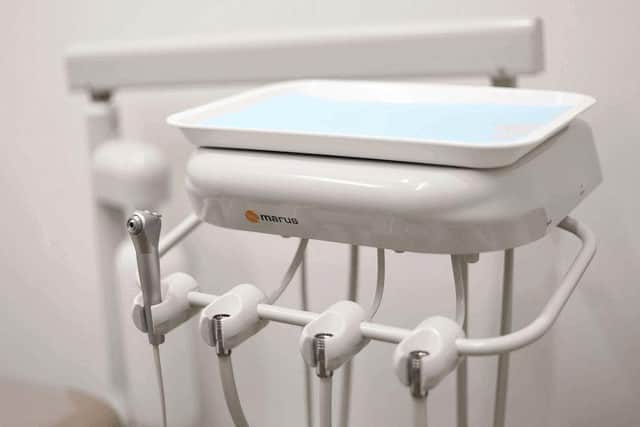

Dental hygienists play a vital role in maintaining oral health by professionally cleaning teeth, removing plaque build-up and educating patients on proper brushing, flossing and diet. Yet many people still view them as optional, visiting only when a serious issue arises.
Indeed a dental specialist practising in Greater London explained how: “We are seeing far too many cases of advanced gum disease in patients who simply didn’t realise the importance of hygiene care. Once the damage is done, reversing it becomes far more complicated and costly.”
Access and Awareness
While London residents often have a wide range of clinics to choose from, that does not necessarily mean everyone is getting the care they need. Hygiene appointments, particularly within the NHS, can be difficult to book due to staffing shortages and backlogs worsened by the pandemic.
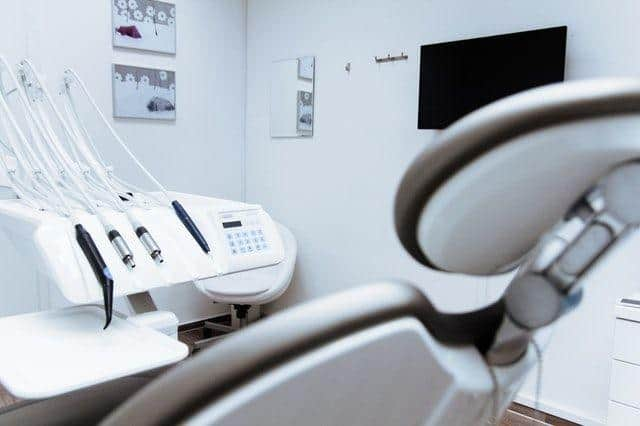
Many private practices now offer standalone hygienist appointments without the need for a dentist referral, but affordability remains a concern for some. Basic hygiene treatments can cost anywhere from £60 to £300, depending on the clinic and location.
Charities and public health campaigns have tried to close the awareness gap, but uptake remains uneven. Pop-up dental outreach programmes in boroughs like Hackney and Lambeth have highlighted a clear demand for education and affordable access, especially among families and the elderly.
Children’s Oral Health Still Falling Short
Another area of concern is the state of children’s dental hygiene in the UK. NHS data from 2022 revealed that tooth decay remains the number one reason for hospital admissions among children aged 6 to 10. This alarming statistic suggests that early intervention and better hygiene education in schools are urgently needed.
In London, local authorities have been working to implement supervised brushing programmes in nurseries and primary schools, particularly in areas with high rates of deprivation. These initiatives are showing promise but campaigners say more funding and a stronger national strategy are needed.
Technology and Preventative Care
Digital dentistry and personalised oral health plans are becoming more common, particularly in modern clinics that integrate hygiene with periodontal monitoring and minimally invasive treatments. These advances are helping hygienists play a larger role in spotting early signs of gum disease or erosion before they escalate.
Some London-based practices are offering subscription-style preventive care packages, making hygiene visits more accessible to patients on a budget. These models aim to promote regular maintenance rather than reactive treatment, reducing pressure on emergency services in the long run.
The Hygiene Message Must Be Louder
Dental professionals agree that the key to turning the tide lies in education and accessibility. Hygienists aren’t simply “teeth cleaners”, they are the frontline defence against many serious oral and systemic health conditions, including cardiovascular disease and diabetes, which have been linked to untreated gum inflammation.
While London leads in terms of innovation and specialist dental services, the capital also reflects the country’s stark contrasts in access and awareness. Without stronger public messaging and support for hygiene-based care, the UK risks seeing a continued rise in avoidable dental disease.
What You Can Do:
- Book regular hygiene check-ups (twice a year is often recommended).
- Don’t wait for pain as gum disease often has no symptoms in its early stages.
- Encourage children to brush properly and limit sugary snacks.
- Ask your dental practice about hygiene-focused plans or community support options.