
“Game, Set… Strain? Why a tennis comeback could be game over for joints, warns London surgeon
As over 30 million people are set to tune in to watch the Wimbledon finals this weekend, a leading orthopaedic expert is urging caution to inspired viewers tempted to return to the court themselves - especially those who haven’t played in years.
As thousands of inspired tennis enthusiasts are expected to dust off their racquets and flock to local courts across the Captial, a London joint specialist is reminding people not to ignore nagging joint pain - particularly in the hips and knees – if they’re caught up in Wimbledon fever.
Now, with over 250,000 people aged 55 and over playing tennis regularly in England, the spotlight is also on how to protect ageing joints before they suffer lasting damage.
While tennis is a brilliant way to stay active and social, it can also place significant strain on key joints, thanks to its fast-paced lunges, pivots, and abrupt stops - especially on hard surfaces.

Former British tennis champ, Andy Murray knows the cost of pushing through the pain. Over his 20-year career, Murray underwent multiple hip surgeries, including joint resurfacing, to deal with chronic hip degeneration - allowing him to compete at the top level until his retirement last year.
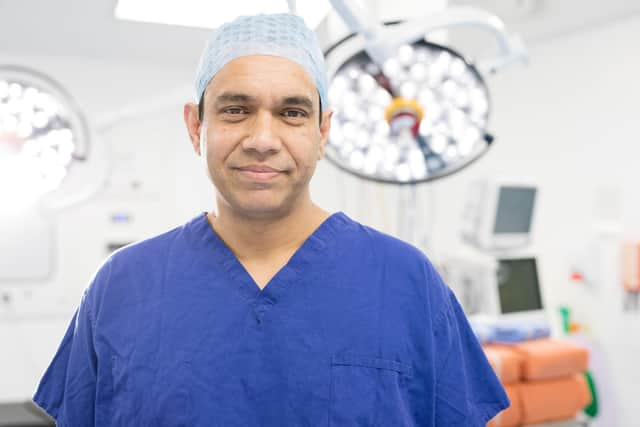
Mr Nural Ahad, Consultant Orthopaedic Surgeon and Medical Director at Practice Plus Group, who works at its Ilford hospital, is urging players not to “brush off” early signs of discomfort and seek help sooner rather than later. He warns: “Knees and hips are two of the hardest working joints in the body. They support nearly every movement we make, from walking and bending to sports like tennis or running. And yet, they’re often ignored when discomfort starts.”
Could It Be More Than Just Aches?
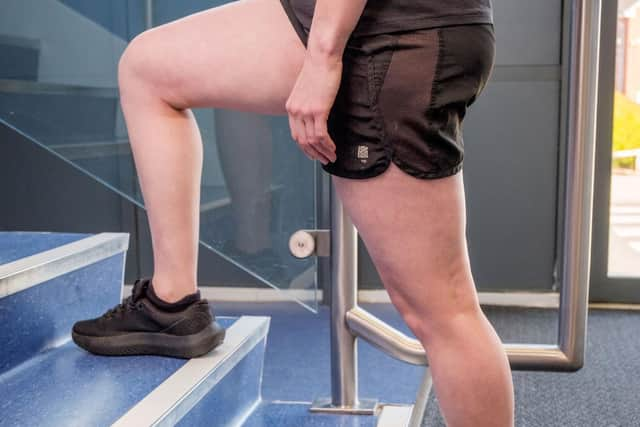
Joint pain is often chalked up to aging or minor strain - but Mr Ahad warns it could be early signs of arthritis or cartilage damage. He says: “If you're feeling stiffness, swelling, or pain that doesn’t go away it could be more than just wear and tear. These can often be an early sign of arthritis. You might also notice your leg starting to bow slightly or that you're struggling to climb stairs and have less range of movement. These aren’t things to brush off and are best checked as soon as possible.”
Don't Stop - just adapt
The good news? You don’t have to give up your love of the game, says Ahad: “Movement is medicine. Low-impact exercises like cycling, swimming, and walking are incredibly effective in strengthening the surrounding muscles without overloading the joint. And for those already experiencing discomfort, it's often about modifying - not stopping - your activity.
“It’s also important to work on muscle strength. Strong glutes, quads, and hamstrings act like shock absorbers for knees and hips. But when we stop exercising due to pain, those muscles weaken, which can make the problem worse. That’s why keeping up with strengthening and stretching is so important - even a few minutes a day at home can make a difference.”
Fuelling Recovery
Diet also plays a crucial role in joint health, especially for older or returning players. Ahad suggests: “Maintaining a healthy weight dramatically reduces the pressure on your joints. Every extra pound you carry can add several pounds of force to your joints with each step, so eating well is a must.
“There’s growing evidence that diets rich in omega-3s - like oily fish - along with olive oil, berries, leafy greens, and nuts, can support joint health. On the flip side, reducing processed foods and red meats may help ease inflammatory symptoms, especially in people with arthritis.
“Supplements can be beneficial for some too such as glucosamine, chondroitin, or collagen. While the science is mixed, they’re safe for most and may be worth trying if you're struggling.”
And for those whose joint pain is worsening or affecting daily life, Mr Ahad stresses the importance of early intervention: “Don’t ignore persistent knee pain - it could be your body asking for help. Early intervention, whether through physiotherapy, lifestyle changes, or in some cases, surgery, can make a big difference. With timely joint surgery, you can avoid long-term damage and stay on the courts longer - just be sure to moderate your game and only begin playing again when you are fully recovered. Then think more gentle rallies rather than a Centre Court performance!”
Under NHS ‘Patient Choice’ in England, patients can ask their GP for a referral to Practice Plus Group hospitals if wait times are long at their local provider.
Private patients can also opt for Wellsoon private care from Practice Plus Group, offering hip and knee surgery within 4–6 weeks of consultation. Initial appointments cost £95 and include x-rays, blood and swab tests. For more, visit www.practiceplusgroup.com.