
Top tips for results day from TikTok viral London teachers
Three London-based teachers who are viral on TikTok for their Chemistry, Maths and Physics videos have shared their top tips ahead of results day.
Head of Maths, Neil Trivedi, Head of Chemistry, Lajoy Tucker, and Head of Physics, Brook Edgar from leading online learning platform, MyEdSpace, have come together to share their words of wisdom as children prepare to receive their results.
The advice covers what kids should do if they don’t get the grades they need, to the best support that parents can give. Results day can be one of the most nerve-wracking days of kids’ lives, but it doesn’t have to be that way.
When sharing advice for kids who don’t get their grades, Head of Physics, Brook, known as @BrookDoesPhysics, says:“Don’t compare yourself to your peers. Just because your friends are heading to university doesn’t mean you’ve failed or been left behind. It’s tough to hear, but those friendships might not even last - whereas the decisions you make now will shape your future.
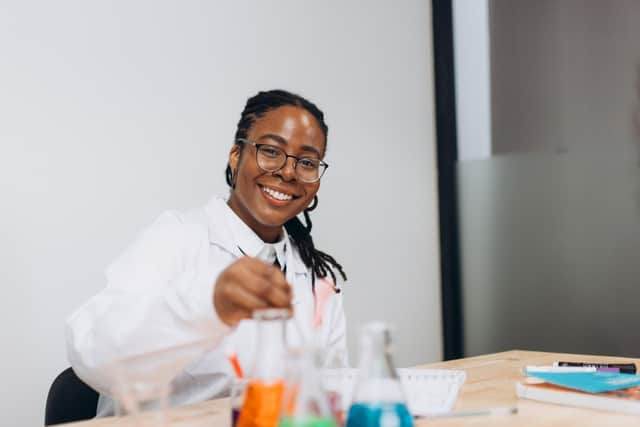

“If you don’t take the time to reset or retake, you could end up stuck in a job you don’t enjoy. But if you commit to what you really want, that extra year could lead to your dream career. Focus on yourself – not everyone else.”
When sharing her advice for parents and guardians, she says:
“Don’t bring it up constantly. Students are already under huge pressure, and GCSEs and A-levels are made to feel like the end of the world. Parents often mean well, but constant reminders – especially alongside social media – just add stress.
“Give them space and let them process things in their own way. Repeating a year isn’t the end – it’s just another path.”

Neil Trivedi, Head of Maths, @NeilDoesMaths, shares his advice for kids who don’t get their grades: “First – don’t panic. Everyone fails or gets unexpected results at some point. It doesn’t define you. You may need to reassess your path, but there are always other routes – whether that’s resits, apprenticeships or something else entirely. Skills-based learning is powerful. You’ve just got to see the light at the end of the tunnel and remember: this isn’t the end.”
And for parents and guardians...
“Don’t pile on the pressure. Avoid making deals or attaching rewards to specific grades – it just adds stress. Try to treat it like any other day. If the results aren’t what was expected, share your own experiences of failure or change. Help them see it as part of life’s process – trial and error. No one’s path is fixed. Support them in exploring their options, and remind them that things will work out.”
Head of Chemistry, Lajoy Tucker, @LajoyDoesChemistry, shares her words of wisdom for kids who don’t get their grades: “It’s okay. It might not feel like it right now, but this isn’t the end of your journey. If you didn’t get into the course you wanted, you can take time to reflect - ask yourself what you really want. If the answer is still that same course, maybe consider retaking. You can do that while taking a gap year, or while exploring different learning opportunities.
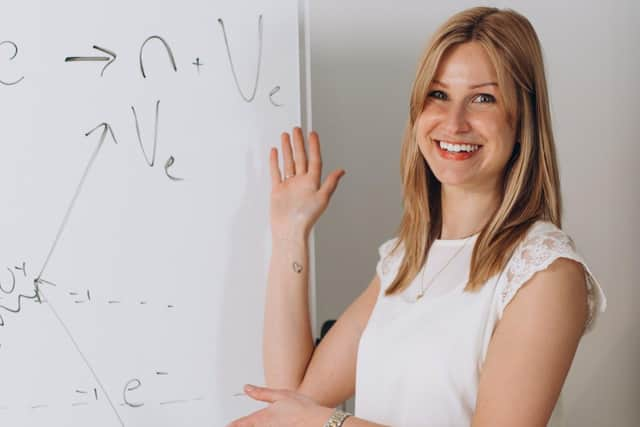
“But also be open to other routes. Sometimes not getting your first choice opens up space to discover something that’s a better fit. There are lots of options, whether through clearing, alternative pathways, or changing direction completely. This one set of results doesn’t define your future - and there’s no one way to be successful. What matters is that you take time to think about your goals, explore your options, and choose the path that feels right for you.”
For parents and guardians, Lajoy says: “The most important thing is to be supportive - emotionally, practically, and mentally. It might not seem like the end of the world to you as an adult, but for young people, their exam results can feel like everything. So hold space for them. Be there with empathy, without rushing to fix or minimise their feelings. Let them process however they need to, and when they’re ready, help them explore what comes next.
“One of the best things families can do is research the available options in advance - so when emotions are high, you’re not scrambling. Know what clearing is, what adjustment means, and what retake paths look like. That way, you can be a calm and reassuring presence, offering useful guidance when your child might feel overwhelmed. Just knowing that someone has a plan - even if it’s not the original plan - can make a huge difference in how a student navigates this moment.”