
‘We don’t want them’: Mina Smallman on leadership, loss and the fight for justice
When Mina Smallman speaks at the Festival of Education next week, it won’t be about exam reform or classroom technology. It will be about something far more personal: the role teachers play in protecting children, and the damage done when systems look away.
Smallman’s life in education began well before her public advocacy. She trained at the Central School of Speech and Drama, taught in London schools, led drama departments, and eventually became Assistant Principal at John Kelly Girls’ Technology College.
She later trained for ordination, and in 2013 became the Church of England’s first female archdeacon from a Black or ethnic minority background.
The murder of her daughters, Nicole Smallman and Bibaa Henry, in 2020 brought her into the public eye in a way no one would wish for.
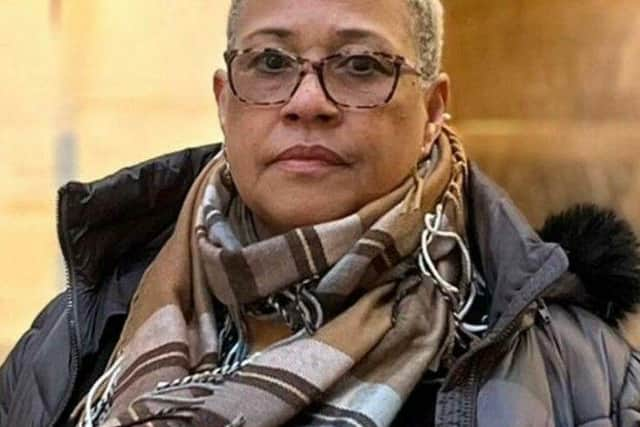

The sisters had gone to Fryent Country Park in north London to celebrate a birthday. That night, they were attacked and killed. When it became clear that police were not responding urgently to their disappearance, it fell to family and friends to begin the search. A friend of Nicole’s eventually found the bodies.
What followed was even more disturbing. Two serving officers took photos of Mina’s daughters at the crime scene, posed with the bodies and circulated the images in a WhatsApp group. Both men were later sentenced and imprisoned.
“It was pure anger,” Smallman says. “We had to search for our girls. The police did nothing. And then we found out about the selfies. I knew it was not an isolated incident. I knew it was part of something much deeper.”
She did not wait for others to shape the narrative. She contacted journalist Martin Bashir directly and insisted on telling the story on her own terms. “They did not want it to go public. But I was not going to let them bury it.”
Since then, she has spoken regularly and frankly about deeper structural issues - especially where policing, violence and accountability are concerned. She has worked with a number of forces, including the Met and Police Scotland, and is in ongoing contact with Commissioner Sir Mark Rowley.
“There are brilliant officers out there. But the good ones are being overshadowed by the bad,” she says. “We don’t want them. Not in the police. Not in schools. Not in the NHS. These are caring professions. They need people who care.”
She has also been clear about what she sees as a wider injustice: the way her daughters’ case was handled and covered in the media. “Two women of colour, murdered in a park, didn’t make headlines,” she told the BBC. “But when the story came out that police officers had taken photos and shared them, then people remembered it.”
At the Festival of Education, Smallman’s focus will shift back to her roots. She wants to speak directly to teachers about the power they hold and the pressures they face.
“Teachers saved me,” she says. “When I was growing up, school was my safe place. There was structure. I knew what time things would happen. Holidays were a nightmare. But at school, I knew where I stood.”
She worries deeply about the pressures children face today. From the moment they go online, she says, they’re fed an endless stream of false expectations, warped ideals and dangerous narratives - especially when it comes to how boys see girls.
“Our kids are being fed lies. That everyone else is perfect. That if they’re not happy, it’s their fault. And boys are being told that women are the problem.”
Her call is not just for awareness but for action. She wants teachers to be given time and space to care. She advocates for external expertise, including theatre in education and trained facilitators who can help children explore complex issues safely.
“Not every teacher is confident leading those conversations. That’s fine. But we should bring in people who are. If we do that, we can get to the truth. And children know when adults are being real with them.”
Her book, A Better Tomorrow: Life Lessons in Hope and Strength, came out earlier this year. It shares the voices of those who helped shape her life, the resilience she learned from them, and her belief in what can happen when children are properly supported.
“I was already resilient,” she says. “My life gave me the toolkit. When Nicole and Bibaa were killed, I just picked it up and used it.”
She speaks not for sympathy, but for change. For the families who cannot speak. For the teachers who need reminding that they matter. For the children who have not yet been believed.
“If I can help one teacher remember their purpose, if one child feels seen because of something I said, that’s enough. That’s why I’ll be there.”
Mina Smallman speaks at the Festival of Education on Thursday 3 July.