
Slow worms relocated as part of Bellway’s commitment to biodiversity
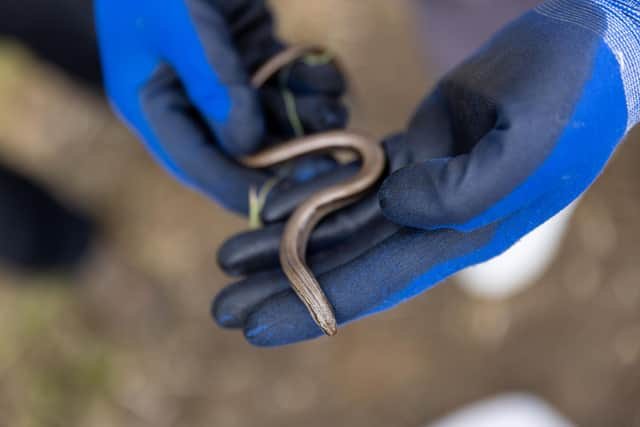
Slow worms from a Bellway housing development on a former hospital site in Romford have been safely moved to a new home as part of the company’s commitment to biodiversity.
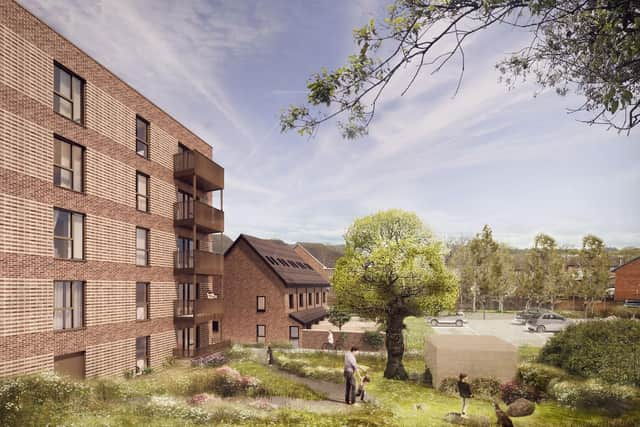
The housebuilder has been working with nature restoration company Nattergal as part of the redevelopment of the former Harold Wood Hospital site, where work has started on the construction of 96 new homes.
Nattergal has created a new habitat for the slow worms at its rewilding site in Essex – Harold’s Park Wildland – and they were relocated there earlier in the summer. The work was overseen by Urban Edge Environmental Consulting.
Neil Beamsley, Bellway’s Group Head of Biodiversity, said: “Our partnership with Nattergal demonstrates that a strategic and collaborative approach can have a significant impact on enhancing biodiversity.

“The relocation of slow worms from the Harold Wood Hospital site goes beyond new regulations to deliver 10 per cent Biodiversity Net Gain (BNG) – it is a cornerstone of Bellway’s BNG+ promise, which aims to exceed the minimum requirements and be more ambitious in what is achieved for nature and communities.
“This is part of our overarching Better with Bellway sustainability strategy, which has biodiversity as one of its key priorities.”
The new Bellway development on the former Harold Wood Hospital site will be known as The Comptons and will provide 96 new homes, including 22 affordable homes available for local people.
The site is the first development where Bellway has purchased off-site habitat units with Nattergal to meet the new BNG planning obligations, as meeting a 10 per cent BNG was not technically feasible at this site.
As well as Harold’s Wood Wildland in Essex, Nattergal also has rewilding sites in Lincolnshire and Norfolk. The company works by channelling private finance to support the ’30 per cent by 2030 Global Biodiversity Framework’ goals, which are to protect and conserve at least 30 per cent of land and sea for biodiversity by 2030.
For more information about Bellway’s sustainability strategy and biodiversity priorities, visit https://sustainability.bellwayplc.co.uk/biodiversity.