
Oral health is deteriorating amongst children in London… Here’s what you can do to look after their teeth
Recent reports have unveiled a cavity crisis in UK children’s dental health, with far too many of our young people showing signs of severe tooth decay. According to researchers at Queen Mary University London, who analysed 600,000 anonymised GP and hospital records of children aged 5 to 16 – over a period of five years – in the North East area of London, at least one in 200 children had to have at least one tooth removed in hospital under general anaesthetic, with many undergoing multiple extractions.
Worse still, the majority of severe cases could be attributed to largely preventable tooth decay – a deadline that had passed due to parents skipping on regular dental visits and the supervision of good oral hygiene practices for their children.
Rotting serviceDespite all the advanced technology now available to us, tooth decay remains the leading cause of hospital admissions amongst young children – and there’s simply no reason for this to be the case. Yet, data from the National Health Service revealed that in the 2022-2023 period, 47,581 children required tooth extractions in hospitals across the country due to decay – averaging at 120 operations daily and proving that North East London is far from alone.
Despite government efforts to address the crisis, more has to be done. Labour has pledged 100,000 additional child dental appointments and put forward supervised brushing during free school breakfast clubs to help combat the social inequalities contributing to the nation’s poor dental health. However, this alone is not enough, particularly in light of the research commissioned by the Liberal Democrats – based on House of Commons Library data – which shows that over 5.35 million children in England have not seen an NHS dentist in over a year (as of March 2024).

A deep-rooted issueThe situation is particularly unacceptable in regional areas like Somerset, where only 40% of children have been seen by an NHS dentist over the past year. This is the lowest proportion in the country, in contrast to Greater Manchester, which saw the highest attendance of 64% - still not enough to prevent our children’s teeth from falling out.
Of course, socioeconomic factors come into play, as highlighted in the Queen Mary study, which showed that children from the most deprived areas are three times more likely to undergo hospital dental extractions. This is yet another urgent sign that the NHS is letting people down and more needs to be done.
Ethnic disparities are evident as well, with one report from the Office for Health Improvement and Disparities highlighting that five-year-olds from Asian families in England are 70% more likely to experience tooth decay than the national average. In fact, the prevalence of decay among Asian children stands at 37.7% compared to 22.4% nationally.
A shining solutionTo combat this growing crisis, it’s vital to take preventative measures to protect children’s dental health. Parents are encouraged to:
- Organise regular dental checkups: Children must visit the dentist at least once a year to monitor and maintain good dental health. In fact, because young teeth can decay faster – and early habits determine the quality of smiles for life – checkups are even more vital for children than they are for adults. If you’re struggling to get an appointment on the NHS, it’s always possible to go private, with many reputable private practices offering affordable payment plans – where costs should remain low if you’re making sure your child is taking good care of their teeth and keeping up with good dental habits.
- Promote proper brushing: Teaching children to brush their teeth twice daily is the bare minimum. Make sure they’re using a good fluoride toothpaste, teach them not to press too hard as this could damage their gums, and remember, it’s never too early to introduce them to flossing.
- Limit sugary foods and fizzy drinks: All parents should be reducing the intake of the things that are bad for us anyway, but making sure your child doesn’t consume too many sugary snacks and fizzy drinks is one of the best ways to significantly reduce the risk of tooth decay. Allow treats occasionally but don’t make them a daily habit and always encourage your child to brush afterwards.
Supervision is keyFor younger children in particular, there’s no harm in keeping an eye on things and making sure they’re taking care of their teeth right. Anyone can be tempted to cut corners, even when they’ve mastered the perfect technique – and you don’t need to intervene too much or even hover. Just check in with your child from time to time and give positive feedback to reinforce good habits.
Addressing the decline in children’s dental health across the UK has an easy solution. Yes, we need policy reforms and more input from the NHS – but with regular dental checkups and the right proactive parental involvement, childhood tooth decay is nothing we can’t tackle.
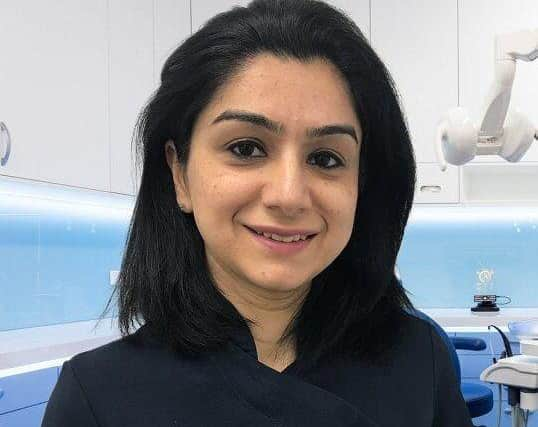
Dr Deepa, Principal Dentist for leading London dental practice, Whites Dental.