
London house prices boom in some areas… but plunge in others - how much has your property price changed?
London is a tale of two cities with homeowners on the fringes of the capital seeing five-figure price increases while values in more central boroughs have plunged.
Those living in Ealing and Greenwich can celebrate impressive increases in their property values today, analysis by online estate agents Purplebricks can reveal.
It comes as homeowners across the UK have seen the value of their properties rise by nearly £10,000 in the 12 months from November 23 to November 24.
The average UK home increased by 3.3% despite a slight decrease of 0.4% from October this year, according to today’s House Price Index report from the Office for National Statistics (ONS).
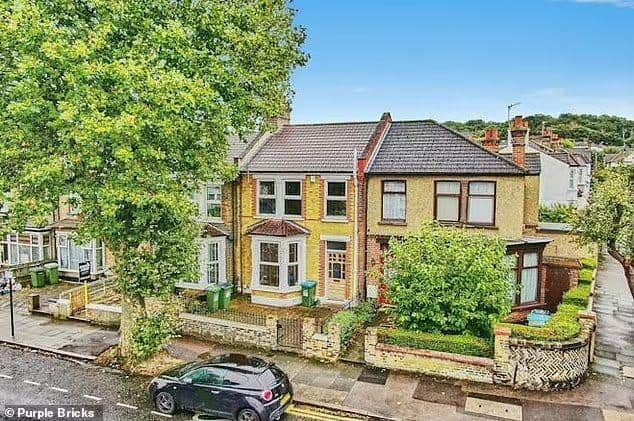

Greenwich homes saw an 8% year-on-year rise worth around £38,035. It means the average property in the upmarket south-east area of the city is now worth £458,257.
Ealing was also among the biggest price rise winners, with a 6% annual gain, worth around £29,256. It gives the average property in the west London borough a £541,772 price tag.
But it was more bad news for homeowners in the City of London and Kensington and Chelsea in today’s report. Both areas recorded huge annual losses, according to the data.
Homes in the exclusive borough of Kensington and Chelsea saw prices fall 8% for the month - equivalent to £82,412 - and fall 21% for the year - an eye-watering loss of £220,478.
Properties in the star-studded borough, famed for its reality TV show, are still worth seven figures however, with the average home worth £1.07million.
City of London properties have dropped 22% in the 12 months to November last year - shedding £149,612. The average home is London’s famous banking district is now worth £670,907
Properties in the capital - the UK’s most populated city - lost 1% value monthly with a slight 0.1% dip over the course of the year. The average London home now stands at £511,279.
Of the 33 London boroughs, 20 saw year-on-year increases in today’s report while 12 suffered price plunges. Prices in Hounslow were unmoved.
The five biggest losers in today’s report are boroughs of London including the City of London and plush Kensington and Chelsea.
Outside the capital, the London commuter towns of St Albans and Tunbridge Wells were among the top 10 best performing areas over the last year.
Homes in St Albans increased by around 5% from November 2023, meaning homeowners saw a yield of just shy of thirty grand totalling £29,538 - making the average property worth £590,764.
According to the data, property values in leafy Tunbridge Wells increased by 6% or £28,777 over the year, making the average property worth £471,756.
In general, homeowners across the UK have seen their properties increase by nearly £10,000 since the same time in 2023, the analysis revealed.
In the last 12 months from November 2023, the average home increased by 3.3% despite a slight decrease of 0.4% from October this year, the data showed.
House prices in the UK continue to stay healthy with the average home now costing £290,000, a small drop of £2,000 from last month on average.
Homeowners in historic market town Tewkesbury in Gloucestershire can celebrate after a 10% year-on-year gain equivalent to a rise of £36,935.
In England there was an annual price rise of 3%, making the average property worth £306,494. Homes in Wales saw a similar 3% rise, meaning an average home costs £219,446.
Homes north of the border in Scotland increased by 4.7% year-on-year with homeowners in the Outer Hebrides seeing the biggest monthly increase across the entirety of the UK.
The Scottish Islands - formerly the Western Isles - recorded a 7% increase from October 2024 to November with an increase of £10,747 on average.
Scottish homes now sit at an average price of £195,036, slightly down on last month despite the uplifting trend.
Nick Gunga, managing director of Purplebricks Estate Agency said: “Good news for UK homeowners with a healthy 3.3% year-on-year price rise in today’s report.
“While today’s dip in inflation to 2.5% increases the chances of a Bank of England base rate cut, which could further buoy the market.
“In these turbulent times, in the UK and abroad, today’s House Price Index report should boost confidence among homeowners that bricks and mortar remains a solid investment.”