
EE warns against threat of romance scams this Valentine’s Day
Nearly a third (28%) of relationships now begin online, with people sharing an average of 155 messages with love interests before meeting them in person.
Nine in ten (93%) online daters say they have shared personal information over text, messaging apps or social media, which could be used to impersonate or scam them One in ten (11%) UK residents report being the target of a romance scam, with one in five losing money as a result; an average of £2,500 EE blocked 12million scam texts last February, a three-month high, and above the monthly average of 8.9million over the past 12 months.
EE is warning online daters about the dangers of ‘unprotected texts’ this Valentines Day as new research reveals nine in ten (93%) have shared personal data over text, messaging apps or social media, which could be used to impersonate or scam them.
Nearly a third (28%) of relationships now begin online, with EE’s study finding people share an average of 155 messages with other singles before meeting up in person. Online dating has opened exciting new options for singles, but also a novel channel for criminals hunting for new ways to defraud their victims. One in ten (11%) people on the dating scene today now report that they have been targeted by a coordinated romance scam, with one in five losing an average of £2,500 as a result.
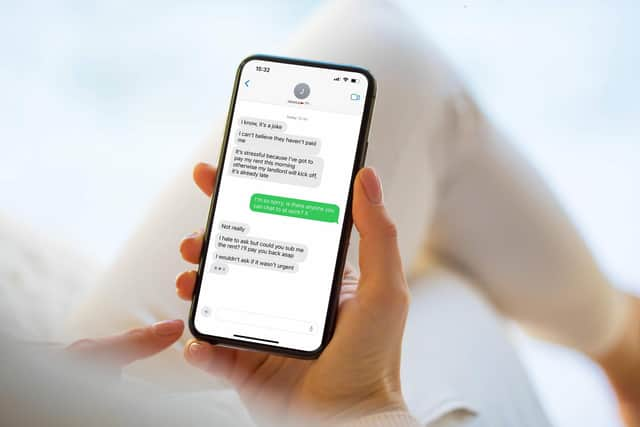

Millions more are at risk. Nine in ten (93%) people actively looking for love have shared sensitive information such as phone number (65%), location (51%), social media profile (35%), email address (27%), or date of birth (23%) with strangers met online before they’ve had a chance to meet in person. One in three (34%) have experienced suspicious behaviour, while one in six (15%) have been asked flat out for money.
“Scammers are experts at preying on the vulnerable”, says Richard Wainer, Regulatory Affairs Director at EE. “At this time of year, when social media is full of public displays of affection, it can be tempting to turn a blind eye to the red flags, but spotting them is more important than ever.”
EE blocked 12million scam texts last February, well above the monthly average of 8.9 million over the past year, and is expecting this February to be another busy month for its scam defences. As a leading proponent of online safety, EE is actively working to protect its customers from the dangers of romance scams. It offers a range of services designed to help customers stay safe online, from blocking millions of suspicious calls, texts and emails every month, to offering advanced fraud protection tools such as Scam Guard. Its anti-spam filter has blocked almost half a billion (419million) text messages since it launched in 2021.
“The threat of scams is an unhappy part of life in 2025, and we’re all increasingly familiar with the traditional calling cards of a scam. However, in a dating context, we’re more vulnerable to social engineering and attempts to defraud can be harder to spot”, continues EE’s Richard Wainer. “That’s why it’s so important people practice ‘safe texts’. We recommend keeping your sensitive information like your address, email address and security question answers closely guarded and do not share these via text.”
“Always verify someone’s identity with a video call or meeting before getting too personal and never send money or gifts to someone you’ve just met online.”
Top red flags in the eyes of daters:
Asking for money or gifts (64%)
Using urgent or emotional language (49%)
Avoiding video calls or in-person meetings (41%)
Telling a sob story to evoke pity (31%)
Giving inconsistent answers (24%)
Dodging personal questions (20%)
Showing off, or promising the world (12%)
Asking overly personal questions (11%)
As the UK’s leading provider of mobile services, EE is taking proactive steps to help its customers stay safe online. The company offers a variety of tools and resources to safeguard against digital threats, including fraud protection services and helpful tips on how to avoid romance scams. For more information about how EE is protecting customers from romance scams or for tips on online safety, visit https://ee.co.uk/help/cyber-security/getting-started/avoid-and-prevent-scams.