
Drive Safe, See Clear: Specsavers and Francis Noakes champion Road Safety Week
With Road Safety Week kicking off, Specsavers has teamed up with Driving School TV’s founder Francis Noakes to highlight the crucial link between eye health and driving safety.
With millions of drivers on the UK’s roads every day, ensuring clear vision is essential to help prevent accidents and protect road users.
Specsavers Optometrist Dr Nigel Best said: ‘Maintaining clear vision is a fundamental aspect of road safety. Regular eye examinations and the correct use of prescribed eyewear can prevent vision-related accidents.
‘At Specsavers, we are committed to ensuring all drivers have access to high-quality eyecare. This Road Safety Awareness Week, we have partnered with Francis Noakes to urge all drivers to prioritise their eye health for safer journeys on our roads.’
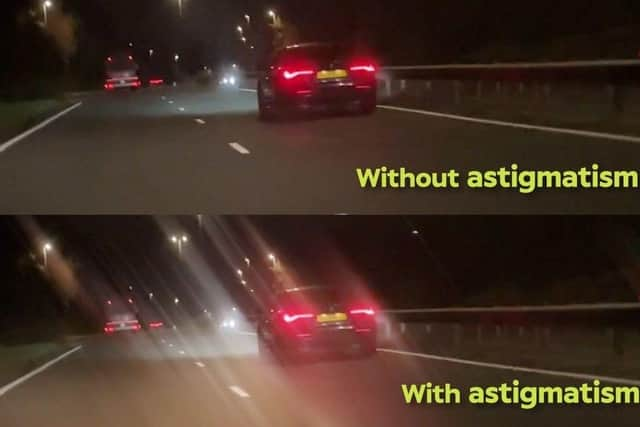

To encourage drivers to prioritise their eye health and enhance road safety awareness, Specsavers and Francis have unveiled their 10 essential top tips:
1. Get Regular Eye Tests - UK drivers must meet the legal standard of reading a number plate from 20 metres away. This requirement is not just for the initial driving test but must be maintained throughout your driving life. Failure to read a number plate during a driving test results in the revocation of the provisional licence, requiring a successful DVLA eyesight test to reapply.
2. Night Driving Challenges - 17 million UK drivers (60%) struggle with night driving due to glare, low light and reflections from oncoming headlights. Anti-glare lenses can significantly improve visibility and help to reduce eye strain.
3. Visual Fatigue - Prolonged focus on the road can lead to visual fatigue, making it harder to concentrate. It’s recommended to take regular breaks every 2 hours during longer journeys to rest your eyes and stay alert.
4. Wear Corrective Lenses - Despite 60% of UK drivers being advised to wear glasses, only 48% actually do so regularly. Always wear your prescribed glasses or contact lenses whilst on the roads to ensure optimal vision.
5. Check for Common Eye Conditions - Conditions like astigmatism can make night driving especially challenging. A proper glasses prescription can help manage these issues and improve night-time driving safety.
6. Clean Your Windshield - Ensure your windshield is clean and clear. Dirty or fogged windshields can significantly reduce visibility, especially in low light, direct sunlight, or rain. Regularly clean your wiper blades to prevent smearing.
7. Driving Reaction Times - The average reaction time for a driver is about 1.5 seconds. At 70 mph, this means traveling 157.5 feet in that time. Poor vision or distractions can greatly increase reaction times, emphasising the need for sharp focus and clear eyesight.
8. Be Cautious Around Pedestrians and Cyclists at Night - Low light conditions make it harder to see pedestrians and cyclists. Be extra vigilant, as their lights may not be as noticeable as car lights, increasing the risk of accidents.
9. Limit Distractions - Driver distraction accounts for around 12% of fatal road accidents. Minimise distractions to maintain focus and ensure safe driving.
10. Check and Adjust Mirrors - Always adjust your mirrors for correct positioning and cleanliness before driving. Properly adjusted mirrors ensure optimal visibility when changing lanes and manoeuvring.