
UK risks losing healthtech hub to Gulf nations, says AI startup co-founder & CEO
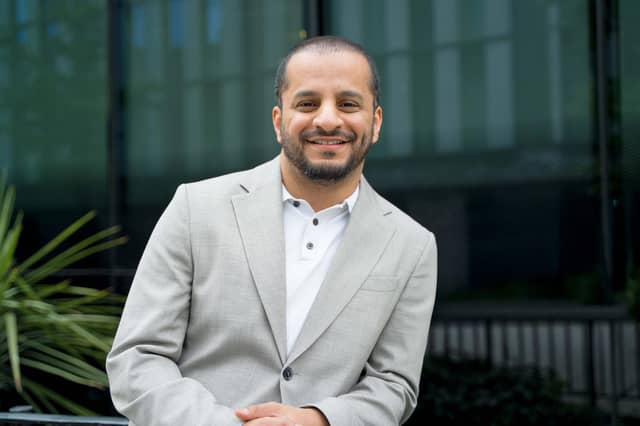

Zaid Al-Fagih, Co-founder and CEO of UK and Qatar-based healthtech firm Rhazes AI, has warned that unless the UK urgently upgrades its NHS AI infrastructure, it risks watching its thriving healthcare sector shift operations to Gulf nations like the UAE, Saudi Arabia and Qatar.
Al-Fagih’s warning follows the news that one of the NHS’s most ambitious AI pilots has been paused after it was revealed that the health records of 57 million people had been accessed without proper consent (The Observer). He says this setback reflects a broader crisis facing healthtech startups across the UK, and that Gulf-based investors are now circling.
Dr Zaid Al-Fagih, Co-founder and CEO at Rhazes AI, says: “I’m not surprised by the data compliance scandal. The NHS launched a flagship AI programme, but without building the basic infrastructure to actually support it. Startups are being pushed away, not because of bad tech, but because the system isn’t ready and startups can’t plug in.”
“British AI startups are having to raise bloated funding rounds just to stay compliant. Instead of investing in growth, they’re burning money on legal advice and red tape. It’s no wonder they’re looking elsewhere to scale”.
A former NHS doctor, Al-Fagih faced these frustrations first-hand while rolling out his Rhazes’ AI clinical notetaking tools across GP practices and emergency departments across the UK. In contrast, he says, deploying the same technology in Doha was faster, cheaper, and better supported by public health partners.
The UK’s healthtech sector raised £27.4 billion in investment last year, placing it among the world’s most active innovation hubs. But Al-Fagih warns that the NHS and its regulatory environment are no longer fit for purpose and that the UK risks becoming a net exporter of talent. He argues that frustrated founders, like himself, are increasingly tempted by Gulf markets, where capital is more available, infrastructure is AI-ready, and compliance frameworks are clearer.
Dr Zaid Al-Fagih continued: “The talent is still available in the UK, for now, but VC firms, sovereign funds, and accelerators across the Gulf are watching closely. The UK is a major producer of AI tools. But when it comes to deploying them, the Gulf is already ahead. They’ve got world-class hospitals, connected systems, and the will to innovate. Rachel Reeves must now put healthtech at the heart of NHS investment, or risk losing a generation of medical AI pioneers.”
Al-Fagih believes that the window to retain healthtech leadership is still open, but it’s closing fast. With the new Chancellor recently pledging increased investment for the NHS’s digital transformation (The Guardian). 2025 must be the turning point for the UK to finally deliver a coordinated AI strategy for healthcare. About Dr Zaid Al-Fagih
About Dr Zaid Al-Fagih
Dr Zaid Al-Fagih is the Co-Founder and CEO of Rhazes AI, an award-winning AI-powered virtual assistant. The tool empowers doctors by boosting clinical productivity, reducing medical errors and burnout, and restoring the human connection in medicine. Prior to founding Rhazes AI, Dr Al-Fagih practiced full-time as a medical doctor in the NHS, and was a voluntary first responder and first aid trainer on humanitarian missions during the Syrian conflict. He has published research in leading journals on applying emerging technologies to healthcare, most recently in the Emergency Medical Journal.