
How Hyde Park's Winter Wonderland became one of Europe's top festive attractions
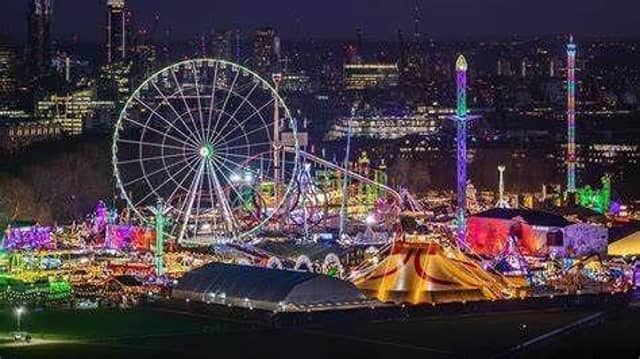

As Christmas draws within touching distance, London enters one of its most atmospheric weeks of the year. Offices slow, schools break up, and the city collectively exhales into the final stretch before Christmas Day. It is also the point in the festive calendar when Hyde Park Winter Wonderland comes into its own. With just days to go until Christmas, the event is now in its final full festive week, a period traditionally marked by spontaneous visits, family reunions and last-minute seasonal rituals rather than long-planned outings.
That sense of immediacy is central to Winter Wonderland’s success. More than a destination, it has become a marker in the calendar, signalling that Christmas has truly arrived in the capital.
Winter Wonderland first opened in Hyde Park in 2007, at a time when the UK’s festive offering felt modest compared with the grand Christmas markets of mainland Europe. Cities such as Munich, Vienna and Strasbourg had long understood the power of winter markets as social spaces, places that combined food, tradition, music and gathering into something far more meaningful than shopping alone. London’s early attempts were smaller and more tentative, but Winter Wonderland quickly grew, season by season, into something far more ambitious.
Over the years, it has evolved from a simple winter fair into the UK’s largest seasonal event of its kind. Today, it fills Hyde Park with more than 150 attractions and experiences, from rides and ice skating to live entertainment, markets and winter dining. Its growth mirrors a wider shift in how festive events are designed, moving away from passive browsing towards immersive, all-ages experiences that allow visitors to shape their own day.
What sets Hyde Park Winter Wonderland apart is not just its scale, but its structure. Rather than a single continuous market, it is divided into distinct zones, each catering to different audiences. Thrill rides dominate one end of the park, with towering attractions that rival permanent theme parks. Elsewhere, Santa Land provides a gentler pace, designed around shared family experiences and familiar fairground favourites. Ice skating, circus shows and seasonal performances sit alongside quieter areas where visitors can pause, eat and take in the atmosphere.
This balance is something many European Christmas markets do not attempt. In Vienna or Prague, elegance and tradition take precedence, but rides are limited. In Germany, markets focus on food and craft, often closing earlier in the evening and winding down before Christmas Eve. London’s Winter Wonderland, by contrast, remains fully active throughout the immediate run-up to Christmas and beyond, reinforcing its role not just as a market, but as a winter festival.
As Christmas and the New Year approaches, this final full festive week brings a noticeable shift in how people use the event. Visitors are less focused on ticking off every attraction and more inclined to wander, meet friends or make the most of a few hours in the evening. Families arrive after school breaks begin. Groups gather for end-of-year catch-ups. The atmosphere becomes looser, warmer and more reflective, less about spectacle and more about shared time.
Accessibility has also become an increasingly important part of Winter Wonderland’s identity. In recent years, there has been growing scrutiny across Europe around how large public events accommodate visitors with disabilities, sensory sensitivities and additional needs. Hyde Park Winter Wonderland has responded by placing clearer information, accessible routes and facilities at the heart of its planning. Step-free access, accessible toilets and clearer navigation tools help make the site more manageable, particularly during busier periods like this final festive week.
This focus reflects a broader change in expectations. Large-scale events are no longer judged solely on attendance figures, but on how inclusive and flexible they are. Winter Wonderland’s approach acknowledges that festive experiences should be available to everyone, not just those able to navigate crowds with ease.
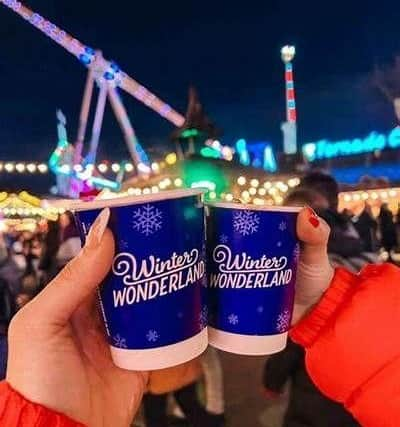
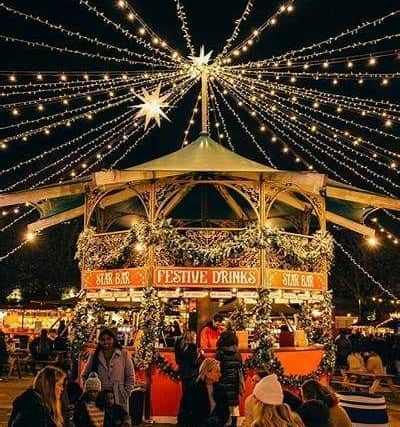
Food and drink remain central to the experience, drawing inspiration from the Christmas markets of Europe while adapting to London tastes. Alpine dishes, festive treats and communal dining spaces create a sense of warmth and conviviality, even on cold December evenings. Unlike smaller markets where food is often the main attraction, here it forms part of a wider rhythm, supporting an experience that can last an entire afternoon or evening.
Winter Wonderland’s role in London’s seasonal economy is also significant. For performers, technicians, caterers and temporary staff, it provides weeks of employment during a traditionally quieter period. For the city, it reinforces London’s position as a winter destination at a time when tourism can otherwise slow. Hotels, restaurants and transport networks all feel the knock-on effect, particularly in the days leading up to Christmas when visitors are already in the capital for shopping, theatre and family visits.
Comparisons with Europe are inevitable. In Strasbourg, the Christmas market is steeped in centuries of tradition. In Cologne, markets spill across the city’s squares, each with a distinct character. Paris offers romance and spectacle, often spread across several locations. London’s Winter Wonderland is different. It is more concentrated, more theatrical and more contemporary. Rather than replicating tradition, it reinterprets it, combining elements of the European market with the scale and ambition of a modern festival.
As 23 December arrives, Winter Wonderland stands at a crossroads in the season. Christmas is close enough to feel tangible, but the pace has not yet slowed into the quiet of the holiday itself. For many, this is the moment to gather before doors close and routines pause. Winter Wonderland, still open and fully alive, provides a setting for that transition.
It is this role that explains why the event now feels essential rather than optional. Over nearly two decades, it has earned its place not simply by growing bigger, but by adapting to how people celebrate, socialise and seek connection at the end of the year. In doing so, it has secured its position alongside Europe’s great winter events, not as a copy, but as a distinctly London interpretation of festive life.
As the final days before Christmas unfold, Hyde Park Winter Wonderland offers a timely reminder that the season is not just about destinations or attractions, but about moments shared. In the glow of lights and the hum of conversation, it continues to reflect how London chooses to celebrate winter, together, right up to the last days before Christmas.